
 button in Safari
Poker Game Variants Explained

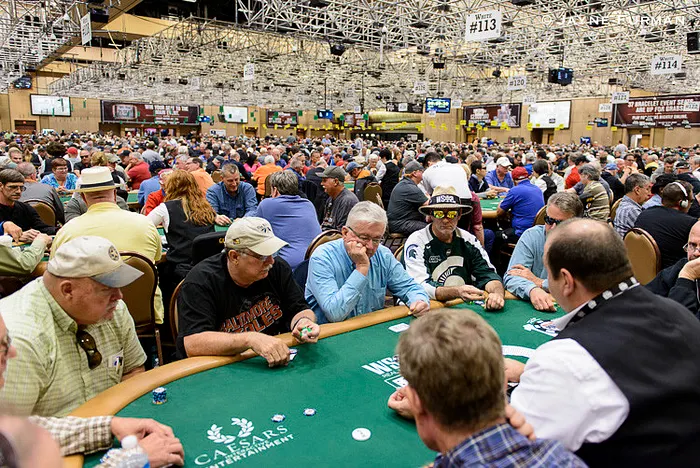
In this guide to poker games, we'll tell you all about which are the most popular poker game variants to play, including Texas Hold'em poker, Omaha, Seven-Card Stud and many others, and we'll also explain all you need to know about the different types of poker games you can play, such as Cash Games, Online and Live Poker Tournaments, Mixed Games and more.
What Is The Most Popular Poker Game?
Most poker players automatically think of No-Limit Texas Hold'em when asked about poker games. It is, after all, the most popular poker game variant, and by a long way.
However, a million and one different poker games are waiting for you to try and learn whether you play online poker or only play in live poker rooms.
That was a slight exaggeration, but there are many different poker variants you can play if you stay away from Texas Hold'em for a short while!
What Other Poker Game Variants Are Popular?
Although Texas Hold'em is the dominant force in poker rooms up and down the country and among those who play online poker, one only has to look at the attendances of the non-Hold'em events at each World Series of Poker (WSOP) to see there is a demand for the likes of Pot Limit Omaha, Seven-Card Stud (and their split pot game versions), 2-7 Triple Draw, and Chinese Poker.
Why Should You Learn Other Poker Games?
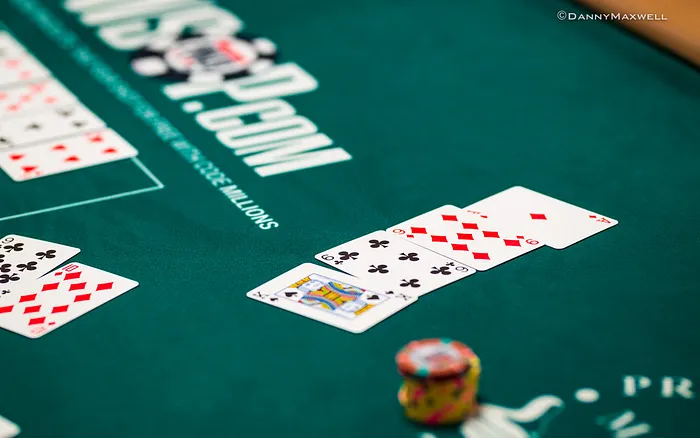
You may be wondering why poker players should take the time to learn poker variants other than Texas Hold'em. Surely, it is better to master one game than only know little bits about several, especially if you are mastering the world's most popular poker game.
That is true to some degree, but knowing how to play several poker games is worthwhile. First, you will develop skills in some poker games to carry over to another. For example, Stud players must remember many face-up cards (four of each player's seven cards are face-up) to succeed. Those observation skills could be handy the next time you play Hold'em cash games online and have several tables open.
Second, knowing how to play different poker games gives you more freedom and flexibility in the poker world. Your friends may invite you to a poker night where they mix Texas Hold'em with Pot Limit Omaha or Crazy Pineapple. You do not want to sit out these poker games just because you have no idea about hand rankings or how many betting rounds there are.
Furthermore, you may love playing different poker variants and add them to your daily grind when playing online poker. Knowing several poker games and how they work stands you in good stead during major online poker festivals like PokerStars' Spring Championship Of Online Poker (SCOOP) and World Championship Of Online Poker (WCOOP).
What Are Poker Cash Games?
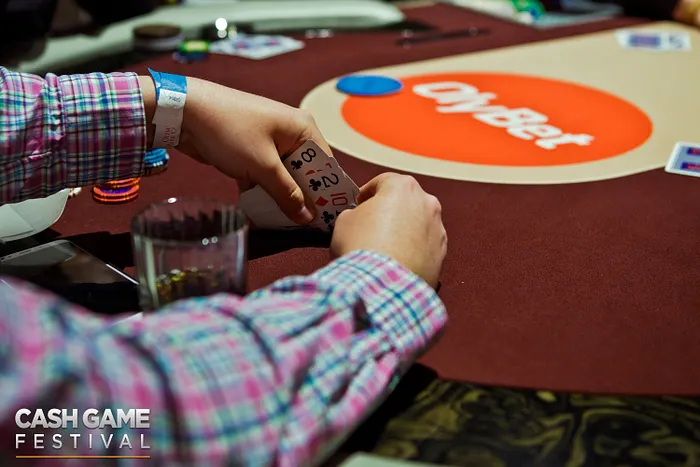
Some poker players say that you play cash games to make money and play tournament poker for the glory. While that is not entirely true, it is easier for a good player who is well-versed in the latest poker strategy to make profits consistently in cash games than it is in multi-table tournaments.
Cash games are generally played with six or nine players, although one-on-one heads-up games are commonly spread on real money poker sites. The rules are the same as the tournament variant of the game you are playing, so you still receive two face-down cards when playing Texas Hold'em, and the aim of the game is still to make the best five-card poker hand in most poker games.
However, there are a few key differences between cash games and tournaments. First, cash game players can leave a game whenever they wish if they are not involved in a hand. This gives cash game players more flexibility and allows them to remove themselves from a game where they feel outclassed.
Also, the blinds in cash games remain the same for the duration of the session. If you are playing $0.50/$1 Pot Limit Omaha Hi Lo, the big blind remains at $1 for as long as you play.
Third, cash games are usually played with deeper stacks than their tournament equivalent, mostly with each player having at least 100 big blinds at their disposal. Cash game players can add more chips to their stack when they are not in a hand and if their bankroll allows, to keep their stacks at or around 100 big blinds. A tournament player can only do this during rebuy tournaments, which are becoming more unpopular as time goes on.
The last main difference regards the rake. Poker rooms, whether online or live, charge rake for hosting the game, providing dealers, to make a profit, etc. Cash game rake is removed from the pot every time the pot reaches a predetermined amount. This rake can be substantial over time, but that rake usually turns into loyalty points that are used to release a site's deposit bonus or climb up the VIP program's ladder.
What Are Poker Tournaments?

Poker tournaments are one of the most popular way to play any of the poker games due to them making large wins possible from a small buy-in, in comparison to the potential gains. A poker player playing in a large tournament could win thousands of dollars overnight if they finish first. The WSOP Main Event pays its champion $10 million most years; it paid $12.1 million in 2023! Winning such a massive sum of money in a short time grabs the poker media's attention, with frequent winners becoming a poker legend in the community.
Tournaments sound like a dream come true for novice poker players, but continue reading some potential downsides before you log into your online poker account and start playing poker tournaments.
The time required to dedicate to the tournament grind can be substantial. Online poker tournaments sometimes take several hours to conclude because thousands of players pony up the buy-in.
Also, a typical tournament at poker sites only awards prize money to the top 10-15% of the field, meaning you could grind for several hours and still not make any money. The first payout levels barely cover the cost of entering the tournament, with the bulk of the prize pool dished out to the top three finishers.
This can lead to long losing spells where you can play your best poker and still come away empty-handed. A solid MTT player will finish in the money places approximately 12-15% of the time, so they need those cashes to be large to ensure they are profitable.
What Are Mixed Games in poker?
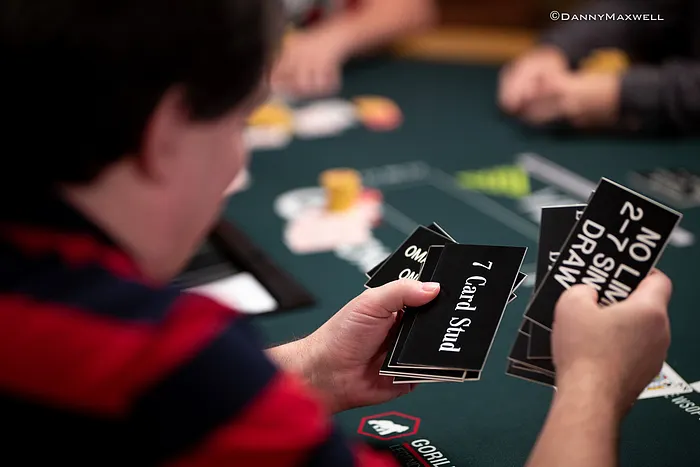
Mixed games are traditionally poker variants where several poker games are played in rotation. For example, H.O.R.S.E. is a game where players play Hold'em, Omaha, Razz, Seven Card Stud, and Seven Card Stud Hi Lo in rotation.
Modern-day poker players refer to any non-Hold'em or Omaha game as a mixed game. This means if you love nothing more than grinding Crazy Pineapple, Badugi, 2-7 Triple Draw, or Kansas City Lowball, you are a mixed game player.
It is common for mixed games to be played at a home poker game where some weird and wonderful variations of mainstream poke games are dreamed up.
Some poker sites are better than others for mixed games. PokerStars (global players) and PokerStars on FanDuel (US players) is the best of the poker sites if you like to play non-Hold'em poker games because it spreads a dozen formats and types in addition to having plentiful traffic in those games.
Where Are Poker Games The Most Popular? The United States? In Europe? In India?
Poker games are popular worldwide; poker is one of the world's most popular pastimes. The United States has the largest player base, although they are limited to where they can play online poker. Most European countries have large poker communities, but it is poker players in India that are growing in number.
Playing poker in India is at an all-time high, with some of the world's elite-level players being from India. To date, Nikita Luther, Kartik Ved, Abhinav Iyer, and Aditya Sushant have captured WSOP bracelets, while Nipun Java has won three gold bracelets, showing the rising popularity of poker games in India.
What Are the Main Differences Between Live and Online Poker?

If you have grown tired of playing at poker sites and want to try your luck at a brick-and-mortar casino, there are a few things you must be aware of. The main difference that is immediately noticeable is live poker plays out at a much slower speed. Where online poker games often see 70-90 hands dealt per hour, you are lucky to see 25-30 in a live poker setting.
Furthermore, and you have to physically move the chips, and pay the blinds and antes. The software of poker sites take care of this for you, but it is manual in a live poker room. Always pay attention to when it is your turn to pay the blinds or to act otherwise, you will slow down an already pedestrian game.
The pot size is automatically calculated for you online but you need to use your brain in a live poker setting. The dealer can spread the pot to make it easier for you to count, but they will not tell you how much is in it. Conversely, if you are unsure of how much an opponent has bet or raised, the dealer will confirm this amount for you.
Apart from those glaring differences, poker is poker, no matter where you play it. The best hand wins, flushes are still made with cards of the same suit, and the final round of betting is always the final chance to bet!
There is something known as live poker etiquette that you should be aware of, too. You should remain quiet and not talk to other players when you are not involved in a hand. Allow the other players to think in peace and decide their actions. Likewise, you should never disclose your hand. Do not tell someone to fold because you have aces when you have aces, nor should you say that you folded a specific hand until the hand is over.
Try to get into the habit of verbally announcing your actions, but be aware that verbalizations are binding. If you announce raise, you must raise!
Regarding your chips, it is standard to stack your chips into piles of 20 chips and to always keep your largest chip denominations to the front of your stack and in view of all players. Not doing so can be considered angle shooting because you have more chips than your opponent can see, which can influence their decision-making.
Where To Play Poker Games Online?
Check out this list of the best online poker sites to play poker for free or to play real money poker.
Poker Games FAQs
What is the most popular poker game?
Texas Hold'em is by far the most popular poker game played today, particularly when using a no-limit betting structure.
Are there different poker games you can play?
Yes, there are many different poker games you can play. In addition to Texas Hold'em, there are Omaha, Five Card Draw, Lowball Draw, Stud, Razz, Badugi, and many more.
What is the best poker game to play in a casino?
The best poker game to play in a casino is the game you enjoy the most. You will likely find that almost every casino offering poker has Texas Hold'em games running, but some lesser-played variants, like Stud are only played in larger establishments or during tournament festivals.
What is Omaha poker?
The game of Omaha poker is similar to Texas Hold'em, but players are dealt four hole cards, and they must use exactly two of them to create their hand. This leads to more complex hands and strategies.
How does Seven Card Stud differ from Hold'em and Omaha?
In Seven Card Stud, players receive seven cards, three face-down and four face-up. Players create the best five-card hand from these seven cards, with betting rounds after each card is dealt.
What is Five Card Draw, and how does it work?
In Five Card Draw, each player is dealt five private cards. After the initial deal, players can exchange some or all of their cards for new ones in an attempt to improve their hand.
Are there community cards in all poker variants?
No, not all poker variants use community cards. Texas Hold'em and Omaha are known for their use of community cards, while games like Seven Card Stud and Five Card Draw rely on individual player cards.
How do I choose the right poker variant to play?
Finding the right poker game variant to play is a matter of choice and depends on your preferences, skill level, and what you find enjoyable. Texas Hold'em is a popular starting point for many players due to its widespread availability and relatively straightforward rules.
Can I play different poker variants online?
Yes, most online poker platforms offer various poker variants, including Texas Hold'em, Omaha, Seven Card Stud, and more. You can choose the variant you prefer and play against other players online.
Are poker games popular in India?
India is a proverbial hotbed of poker, with all poker games and variants growing increasingly popular with each passing year. Vivek Rajkumar is a No-Limit Hold'em specialist with more than $8 million in winnings, while Santhosh Suvarna is a high-stakes MTT specialist approaching $4 million in live earnings.