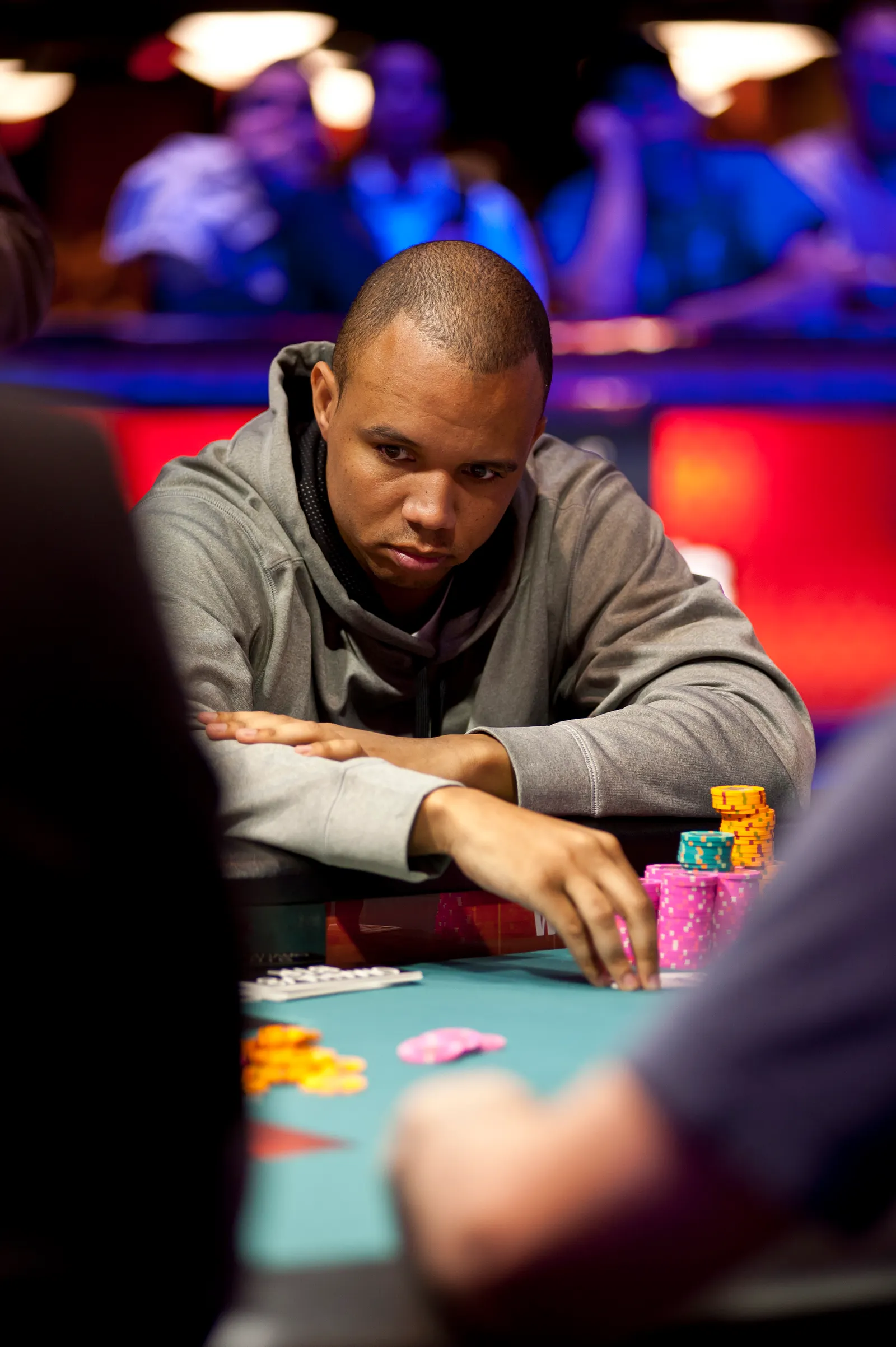
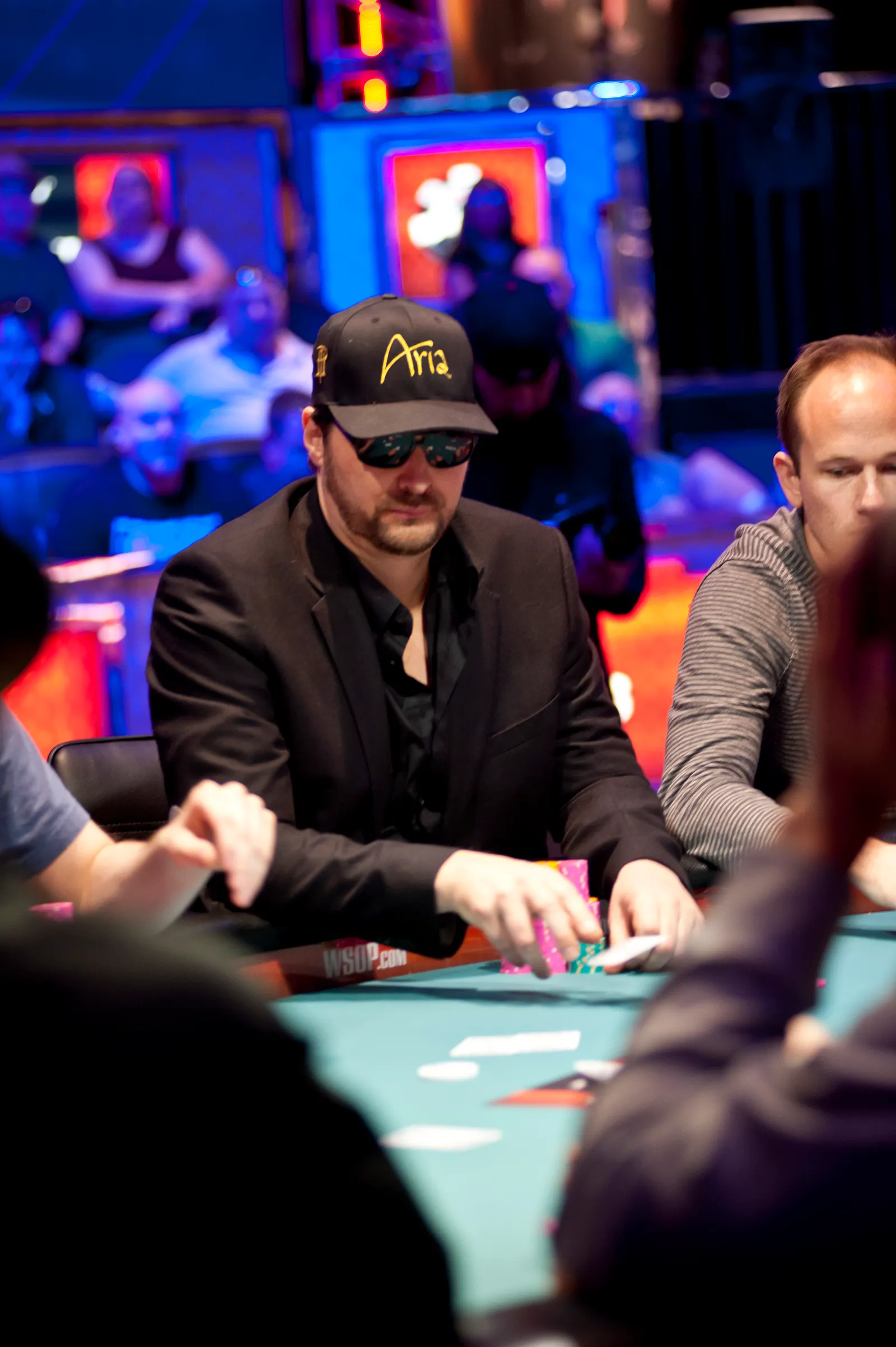
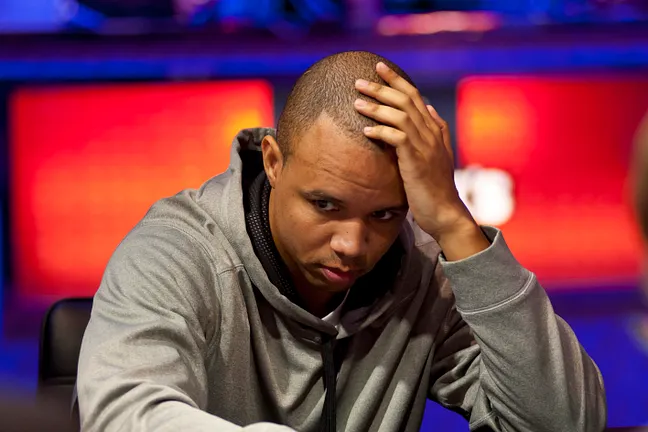
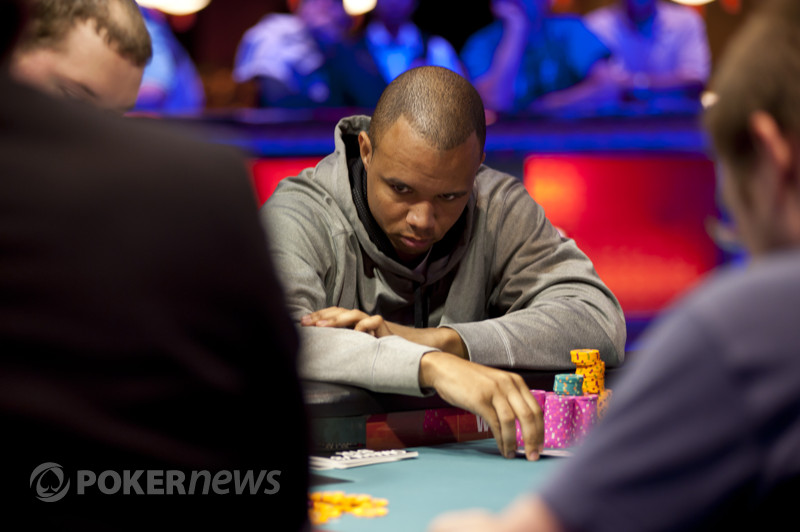
The man everyone thought was Jerome Graham got his start playing poker in the casinos of Atlantic City when he was just 21 years old. What the casinos didn’t know was that Jerome’s real name was Phil Ivey, and that his real age was 18. It was only after a few years of fake I.D. use that Ivey legally turned 21 and was of age to play in the casinos.
Upon turning 21, “No Home Jerome” as he was called, for the amount of time he spent playing in card rooms, strolled into his regular casino and introduced himself to the floor staff as Phil Ivey. Putting in long hours on the felt and honing his game just about every waking minute that he could, Ivey grew and grew as a player.
While Ivey had a very recognizable face on the East Coast poker scene, he didn’t waste much time cleaning up in Las Vegas. In 2000, Ivey took on the World Series of Poker, cashing in three events. The third cash out of the three proved to be his best when he took home first first gold bracelet and almost $200,000 in prize money. Ivey wasted little time in returning to WSOP glory when, just two years later, he won three more bracelets after cashing in seven events.
Another year later in 2003, Ivey made a name for himself on the World Poker Tour circuit at the Five-Star World Poker Classis where he won two events and placed third in the Main Event. One can’t forget back in 2003 when Ivey bubbled the final table of the WSOP Main Event at the hands of eventual winner Chris Moneymaker. Who knows which direction poker would have gone if Ivey had instead bested Moneymaker in the key matchup.
After that, the tournament winnings just seemed to pile up. In 2005, Ivey had his best year ever when he made multiple deep runs in WPT and WSOP Circuit events before winning his fifth bracelet in the summer at the WSOP.
Multiple big cashes were to follow his fifth bracelet. Some of the most significant wins include a first-place finish at the Monte Carlo Millions in 2005 and a first-place finish at the L.A. Poker Classic WPT event in 2008. Those two events alone netted Ivey over $2.5 million.
Tournaments aren't all that Phil Ivey does, though. He is a regular fixture in the largest cash games in the world where he locks horns with some of the greatest players in the game today including Doyle Brunson, Barry Greenstein, Chau Giang and Tom Dwan. It’s even reported that Phil won over $16 million from banker Andy Beal after he challenged some of the best high-stakes players to a match.
Widely considered as the best player in the game today by his peers, Ivey is confident, yet humble. Ivey is often referred to as the “Tiger Woods of poker” for his resemblance to the golf professional and also because he expects to win every time he performs to his greatest ability. There aren't many comparable professional figures that have such a successful record as Ivey, which makes the Woods comparison fit so much. He also loves to gamble and can regularly be seen shooting dice, wagering on sports, prop betting, or gambling on a game of golf while away from the poker table.
Ivey has eight WSOP gold bracelets and over $16.5 million in live tournament earnings, which is good for second all time. He's already made three WSOP final tables this year, making this his fourth.
Tags:
Phil Ivey



 . Sokoloff led out and Kelly made the call.
 and paired the board. Sokoloff checked and Kelly bet. Sokoloff folded.

 and Waxman check-called a bet from Monnette.
 turn, both players checked and the


 for two pair, nines and threes. Waxman had that beat with the


 and won the pot. Neither player had a low.


 out front. John Monnette then completed with an
  .
.


 /
/ 

 /
/ 


 /
/