button in Safari
New Gambling Tax Laws Might Force Poker Legend Erik Seidel into Semi-Retirement


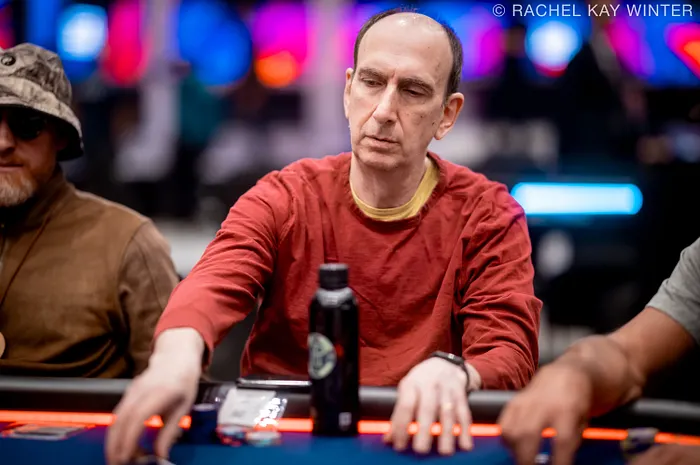
Table Of Contents
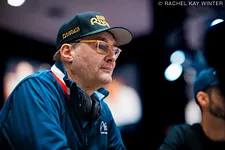
Poker Hall of Famer and ten-time World Series of Poker (WSOP) bracelet winner Erik Seidel is the first — and likely not the last — high-profile pro who has openly stated the new gambling tax policy in the U.S. will at least partially drive him away from the game.
The poker legend, in a phone conversation with PokerNews, said he is also concerned "people will lie on taxes" over the tax policy that some politicians even admitted they didn't know was included in the One Big Beautiful Bill Act (OBBBA) — President Donald Trump's signature economic policy that Congress passed in July.
"And that's not a positive thing. You don't want to encourage that kind of behavior," Seidel said.
The gambling tax policy, which goes into effect in 2026, will no longer permit professional gamblers — poker players included — to deduct all of their losses come tax time. Only 90% of losses can be deducted, which could be a killer to the poker tournament industry.
For example, if a poker player has $100,000 in cashes but finishes the year in the red, they can only deduct 90% of the losses, or $90,000, meaning they'd owe taxes on $10,000 in "profits" that didn't exist.
Is Poker Legend Really Done with Poker?
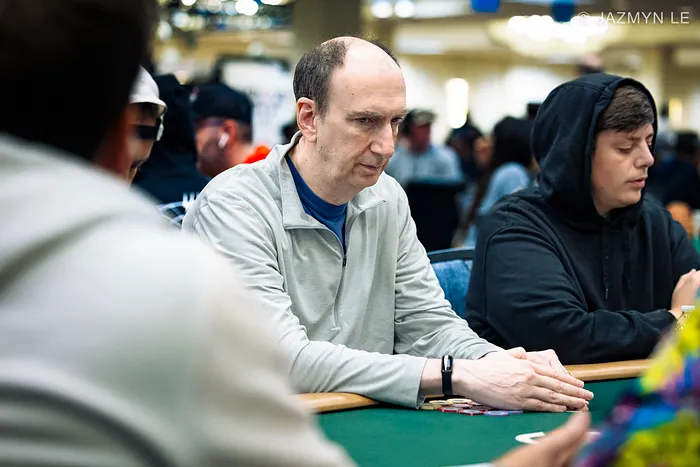
Seidel, who has over $48 million in live tournament cashes, is trying to stay optimistic about the situation and said he's "hopeful" the tax provision will be repealed. But he admits he doesn't "know what our odds are" of that happening.
"I do think there's a very good chance, because it makes no sense, that it will changed next year. But I mean, who knows?" the 2010 Poker Hall of Fame inductee said.
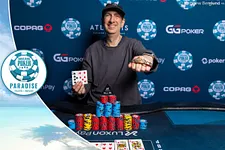
Seidel has competed regularly in tournaments since the 1980s. He finished runner-up to Johnny Chan in the 1988 WSOP Main Event, and he became just the fifth player ever to reach 10 career WSOP bracelets when he took down a $50,000 Super High Roller in 2023 at the first-ever World Series of Poker Paradise (WSOPP) series. But he could be forced into partial retirement.
"I expect that I'll be playing much smaller if I play. I might play some WPT $3ks or something, which I generally don't play except for in Florida," Seidel said. "I'll still play the Main Event, but I would imagine I'm probably going to spend maybe 10% or 15% of what I normally do for buy-ins. I don't expect I'll be playing many $10ks or higher. No High Rollers, for sure."
Seidel is currently in Las Vegas at Wynn competing in mid-stakes events at the 2025 WPT World Championship festival. Those lower buy-in tournaments, as he said, could become part of his regular routine if he is to continue playing poker in 2026.
"I Don't Want to Stop Playing"
Seidel has made a living out of playing poker for decades, and he'd like to keep it that way. But he understands the challenges he and many other pros will face going forward.
"I love the game of poker. I don't want to stop playing. And so it is a bit frustrating to be forced to not play these events. And there are some really cool events coming up that I just won't be able to play. And obviously many, many people are in the same position that I am," Seidel explained.
Seidel isn't only concerned with his ability to continue making a living by playing cards. He's worried about the younger players who aspire to one day become the next Erik Seidel.
"It's even worse for the younger players. These are people who put in an incredible amount of effort and hours learning, and now they're going to be in a position where they can't really play," Seidel claims.
The poker legend is also concerned that the new gambling tax policy will put poker pros in a tough situation come tax time.
"I think it's terrible for the government to put people in a position to think about things like that. The players I know, the tournament players, pay their taxes. They pay quite a bit in taxes."
"It's already unfair that there's no loss carryover in poker .... I mean, that's insane. And to be a poker pro, you really have to overcome quite a bit. There's so many challenges. And this really puts the nail in the coffin."
Phil Hellmuth referred to the gambling tax policy as the "Poker Players Death Tax," and urged his pal, Sen. Ted Cruz (R-Texas), to push for repealing the measure.
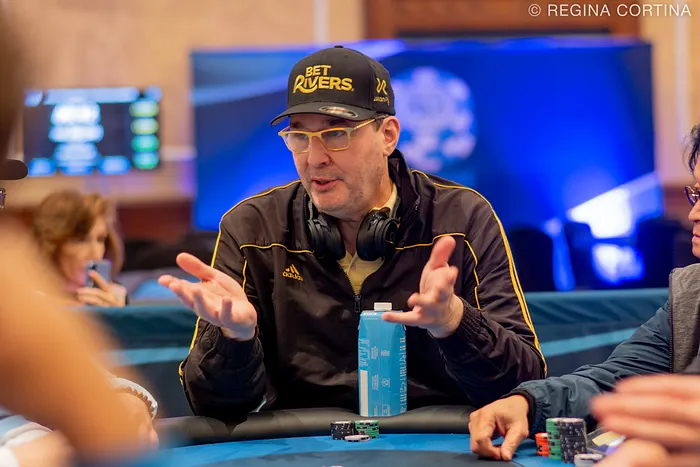
Cruz, an avid poker player, crossed the aisle to team up with three Nevada Democratic congresswomen on a bipartisan effort to remove the gambling law from the final OBBA draft. Those efforts, however, were unsuccessful. But Seidel said he's been in contact with the team of Rep. Dina Titus (D-Nevada) about efforts to repeal the policy.
"Is there any other profession that has to deal with something like this? It just seems so absurd to impose a tax on one particular group that basically puts most of us out of business. I mean, I've spoken to a lot of the high-stakes players and many of them are either going to stop or cut down. So when you have players that can potentially win millions of dollars in a year, and pay taxes on that money, that won't be playing with the new tax (change) ... The government is going to be losing a lot of tax revenue with this," Seidel said.
Seidel acknowledged that the poker lobby in Washington, D.C. to advocate for players isn't strong. But he shared some optimism on why the policy could get repealed.
"Although I would think the casinos, which do have some lobbying power, would be very unhappy with this. This is going to cost them tons of revenue and will cost people jobs. There will be a lot of jobs lost in any of the states that have casinos, because the professionals are a really important part of the economic engine," Seidel opined.
In an Air Force One interview on Tuesday, Trump floated the idea of eliminating federal taxes on gambling winnings entirely, though it remains to be seen if he'll actually propose the idea to Congress.
If a repeal isn't in the works, it could spell trouble for the entire poker industry.