button in Safari
Unwritten Rules of Poker Every Player Should Follow


Table Of Contents
Don't react to cards on the board when you've folded. Always respect the dealers. Try to refrain from launching a drink at your opponent when they've just called your seven-high bluff with bottom pair. Some etiquette in poker is obvious, but others are less so.
There are many unspoken rules that everyone’s expected to follow. They’re not written anywhere, but they go a long way in keeping the game fair and enjoyable for everyone.
So let's dive deeper into casino etiquette when playing poker. This guide will give you a few quick dos and don'ts, so you can make sure you're never 'out of line' at the tables.
1. Hit and Run
What is it?: Joining a poker cash game and quickly leaving it after winning a significant number of chips.
What you should do: Join a cash game and play for a reasonable amount of time before leaving (or let the table know beforehand that you cannot play for long).
Why it's bad etiquette: Joining a game, taking a load of chips and leaving soon after is bad etiquette because you're taking people's money and then not giving them a sporting chance of winning it back.
One of the biggest unwritten rules of poker is the dreaded “hit and run.” That’s when a player joins a cash game, wins a few big pots, racks up their chips, and leaves immediately. While it’s completely within your rights to walk away whenever you want, this move is frowned upon.
It can leave a bad taste for the other players, take money off the table, and make opponents less likely to give you action in future games. More importantly, it diminishes the overall experience for everyone at the table. If you only have a limited amount of time, it’s courteous to let the table know ahead of time, that way, if you win a few pots early, it doesn’t feel like you’re just doing a “hit and run.”
2. Pace of Play and Calling the Clock
What is it?: How much time you take to make a decision in a hand / calling the floor to give an opponent a countdown when they've been tanking for too long.
What you should do: Always act within a reasonable amount of time / only call the clock when it's absolutely warranted.
Why it's bad etiquette: It unnecessarily slows the game down, wasting time / it adds pressure and forces opponents to make a quick decision.
Another important unwritten rule of poker is pace of play. In tournaments, slow play can be especially harmful, as it reduces the number of hands everyone sees while blinds are increasing. Whether you’re in a cash game or a tournament, it’s important to act in a timely manner to keep the game moving. Slow play frustrates other players and disrupts the flow of the table.
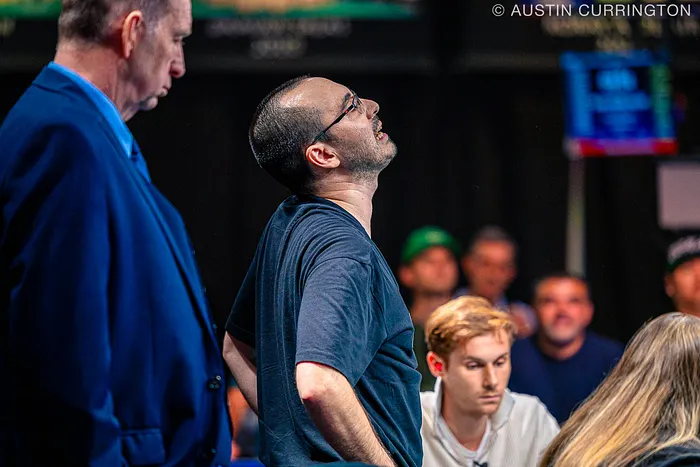
Unnecessary tanking can take many forms, taking 30+ seconds to make every pre-flop decision with weak hands, or “Hollywooding” on the river acting as if you’re considering a call when it’s clear you’ll fold, just to waste time or protect your image at the table.
Recent examples comes from the 2025 World Series of Poker, where players like Martin Kabrhel and Will Kassouf faced criticism for tanking (among other things). After numerous clock calls throughout the day, Kabrhel was given as little as 10 seconds from players before calling the floor in Event #5: $5,000 Pot-Limit Omaha.
While Kassouf’s antics became so extreme that by Day 6 of his Main Event run he also had just 10 seconds to make ANY decision, before being banned for the remainder of the 2025 WSOP after his elimination.
On the other end of the spectrum, it’s equally important not to overuse the clock on a player who has generally been acting at a good pace but now faces a tough decision. Players should be allowed extra time when they’re in a tricky spot or making a choice that could affect their tournament life.
Just as it’s important to call the clock on those who habitually slow the game down, it’s just as important to give disciplined players the time they need for difficult decisions.
3. Show Your Hand
What is it?: Showing your cards when the hand's action has come to an end.
What you should do: Always show your cards if you were the last aggressor in a hand (E.g. opponent checked-called your bet on the river - you're the last aggressor).
Why it's bad etiquette: It's bad etiquette to stall or wait for your opponent to show their hand first. It's also poor form to force someone to show their hand if they've mucked.
Few things slow down a poker game more than players stalling at showdown. When two players are all in, both hands must be tabled - there’s no reason to hesitate or wait for the other person to flip first. Just turn them over and move on.
The same applies when a river bet is called. The bettor should show their hand immediately, not hold their cards or wait for the caller to act. It’s simple courtesy and keeps the game moving.
If you were bluffing, a quick “You’re good” works fine. And while the caller has the right to see your cards, forcing someone to show a losing hand is poor form.
4. Angle Shooting
What is it?: Feigning an action (E.g. pretending to move chips into the middle to fake a bet) in order to gain information from opponents.
What you should do: Always be transparent and definitive with your actions during a hand. Don't use underhand, sneaky tactics in order to try to gain an advantage.
Why it's bad etiquette: It's bad etiquette to angle shoot because you're essentially trying to fool other players into thinking you're doing one thing, but without committing fully to that action.
Angle shooting is highly controversial, simply because it's not always clear whether or not it's intentional. Major, high-profile players in the game, such as Alec Torelli, have been accused of angle shooting and faced fierce backlash from the poker community as a result. In truth, we could have done an entire list on etiquette around angle shooting, so we'll go a bit more in-depth in this section.
There are several ways a player can angle shoot. Each is done so the same reason - to fool opponents into thinking you're taking one form of action in order to get information in a hand.
An example would be pretending to move a sizeable amount of chips into the middle, so you can watch your opponent and see their reaction. They could give off tells that will provide you information on whether or not they are going to remain in the hand or fold their cards. Based on this, you can then decide whether or not you actually do want to bet or not.
Do not do this when you're at the table.
An angle shoot can be:
- Hiding Chips - Hiding some chips behind others to intentionally misrepresent the size of your stack is a form of angle shooting. Make sure all players at the table can reasonably deduce how many chips you have, and avoid mixing chip sizing or hiding larger chip amounts behind other stacks.
- Feigning a Call - A player can pretend to call an opponent's bet either verbally or through gestures/actions. This is angle shooting, since you’re trying to gain information without actually calling.
- Fake Folding - Another example of an angle shoot is fake folding. if a player is facing a big river bet, they might pretend to fold by feigning the mucking of their cards, again in order to gauge their opponent's reaction.
- Acting Out of Turn – Deliberately acting before it’s your turn to influence others’ decisions is a classic angle shoot. It's less common, as it's more obvious that it is a form of angling, but it does still happen. For example, pretending to fold early with a strong hand to encourage another player to call is unethical and against poker etiquette.
5. Slowrolling
What is it?: Deliberately taking a long time to act in a hand, even though you have an easy decision to make.
What you should do: Always act immediately if you are last to act and have a simple decision - E.g. you have the nuts.
Why it's bad etiquette: It's bad etiquette to slowroll because it slows the game down unnecessarily. If you're slowrolling with the nuts, it also gives your opponent the false illusion that they might win the hand when they cannot possibly do so.
Slowrolling is a tricky one, and it's not as simple as just saying don't slowroll. You shouldn't, but what makes it more of a grey area is that it's not always obvious as to what constitutes a slowroll. For instance, let's say someone is tanking for a long time with the third nuts. On the one hand, they are thinking and working through all the possible ways they might lose the hand to make sure the call is correct. On the other, they have the third best possible hand - sometimes you've just got to get it in.
This is where 'Nitroll' comes into play. A nitroll is still a slowroll, but without any bad intentions. It's where you have a very strong hand that most people would immediately call with, but the player takes an unreasonable amount of time to make their decision. Weaker players might nitroll after genuinely considering what action to make. The difference between that and a slowroll is that with slowrolls, there is no consideration needed. The hand is either a winner or a loser, yet the player decides to intentionally slow down the game.
Despite being bad poker etiquette, slowrolls are surprisingly frequent in professional poker. While you could argue there is a place for slowrolls to happen among friends or at poker Home Games where the atmosphere is more light-hearted, when big money is involved, slowrolling is poor form as players are competing for sizeable amounts of money.
The impact slowrolling with the nuts has on opponents is severe, as you're fooling them into thinking they might be winning a large pot when you know they won't. Slowrolling when you know you're folding is a different story - it won't always anger opponents as they might believe you have a genuine decision to make, but it ultimately slows and hinders the overall game.
Poker Rules vs Poker Etiquette - What's the Difference?
There is a big difference between the rules of poker and etiquette in poker. Simply put, breaking the rules can lead to official punishments or repercussions, while showing bad etiquette will just make you unpopular at the table or in the casino.
The rules of poker are hard coded, set in stone and clearly outlined. Players know what they can and can't do, and it's clear when these rules are broken and what consequences will happen as a result. Etiquette is far more of a grey area. In some cases, it falls down to personal preference or opinion as to whether etiquette has been broken. Even when it's obvious, you can't always do something to punish the player at fault.
Ultimately though, you should always strive to follow good poker etiquette. The poker ecosystem is reliant on good etiquette to uphold the integrity of the game and ensure that it remains a positive, friendly environment. The more bad etiquette is present in poker, the more toxic the game gets. This leads to others opting to not play as much and also discourages new players from entering the scene. Both could have major detrimental impacts on the game as a whole, so it's vital that we strive to maintain good etiquette when we can while playing live poker.
Is Angle Shooting Allowed in Poker?
Yes, angle shooting is technically allowed in poker as there is no specific rule outlawing it in the game. However, we do not recommend angle shooting. It's very poor etiquette, can anger other players and also negatively impacts the atmosphere at the table. What's more, persistent angle shooting can lead to the floor taking action such as asking you to leave or refusing you future action.
That said, don't worry if you're new to the live scene. Players and staff will be far more understanding if you angle shoot and it's a genuine mistake. Just try to learn what you should and shouldn't do, be apologetic and make sure it's not a frequent occurence.
Is String Betting Allowed in Poker?
No, string betting is not allowed in most poker games. String betting is where you place chips in the middle (making a bet or a raise) in more than one action. This is banned because it's not clear whether or not you're just calling or raising, and as such you could gain information from opponents' reactions.
That being said, it's easy for someone new to live poker to string bet unintentionally. While it's a banned practice, if you do it accidentally, it's unlikely the other players or the venue will penalize you.
As a way to ensure you don't string bet, you can simply call out your action (E.g. bet 100) before moving any chips. This verbal bet locks in your decision and means you can move your chips into the middle however you want. Be careful though - once a decision has been made verbally, it's the same as if you'd confirmed it by moving in chips and cannot be changed.
Is Slowrolling Allowed in Poker?
Yes, technically slowrolling is allowed in poker. However, depending on the venue or organizer, there might be something in the rules referring to stalling or slowing down the game. Often, you are allowed to slowroll though, but it's very poor poker etiquette and should be avoided at all costs.
In certain instances, we've seen high-profile poker players given restrictions and penalties in poker games for stalling the game and taking too long to act. This isn't directly a slowroll, but the premise of intentionally slowing down the game is the same.
Poker Etiquette FAQs
Can you talk during a poker hand?
It's generally considered bad etiquette to talk during a hand in poker, much more so when you're not involved in it. There are exceptions, though, and it does largely depend on the atmosphere and dynamic of the game. For instance, if there isn't as much money on the line or it's more tailored towards a fun Home Game dynamic rather than serious professional play, there might be a lot more talking at the table.
Can I leave a poker cash game after winning big?
Yes, you are entitled to leave a poker cash game at any time you want, including right after you've won a big pot. However, it is considered poor etiquette to leave after winning a significant amount, as it doesn't give players a sporting chance to win back their money. If you've been playing for a long time, though, it's more acceptable to leave straight after a big win. If you've just sat down and won a huge pot, leaving is allowed but in etiquette terms it's a big no no.
Who shows their cards first at showdown in poker?
The player that made the last aggressive action in the hand (E.g. raised or bet), is the one who should show their cards first at showdown.