button in Safari
What Is Tilt in Poker and How to Avoid It?


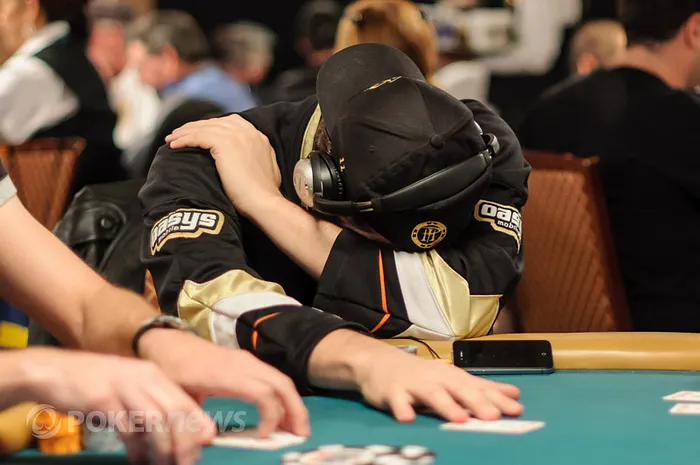
Table Of Contents
Poker is often described as a game of skill, psychology, and patience. Yet for many players, the toughest opponent they face is not the player across the table, but their own emotional state. Few concepts illustrate this better than tilt.
Tilt is responsible for countless blown sessions, early tournament exits, unnecessary bankroll damage, and talented players quitting the game altogether. Understanding what tilt is, why it happens, and how to control it is one of the most important steps a poker player can take toward long-term improvement.
What Is Tilt in Poker?
In simple terms, tilt is any emotional state that causes a player to deviate from their optimal strategy. The term stems from pinball machines, which feature an anti-cheat mechanism that cuts the power to the flippers and displays the word "TILT" on the scoreboard if a player shakes the machine enough. A pinball machine on tilt sees the game end prematurely.
Poker players adopted the term to describe times when their emotions cause them to lose control and play suboptimally.
A common misconception about tilt is that it always involves anger. While slamming the table angrily after a bad beat is the most obvious example, tilt rears its ugly head in various ways, some quite subtle. For example, boredom, fear, or even overconfidence can lead to poor decision-making at the table.
The key point is that the moment your emotions start influencing your decisions more than logic and probability, you are on tilt.
Common Causes of Tilt
The first step to preventing tilt is understanding what triggers it. Although every player is different, most tilt episodes fall into a few familiar categories.
Bad beats and cooler are the classic triggers, and probably the first cause of tilt that sprang into your mind while reading this article. Getting your money is as a substantial favorite, only to watch your opponent hit a miracle two-outer or go runner-runner on the river is massively frustrating. When you can think logically, you know this is part and parcel of the game. However, when you are thinking emotionally, bad beats and coolers can feel unfair and even personal.
Those who play online poker, where more hands are dealt per hour, and players can grind several tables simultaneously, can often have repeated exposure to bad beats in a short period of time, which can quickly erode emotional control.
Many players tilt not because they lost, but because they truly believe they deserved to win. Thoughts like "I played that hand perfectly and didn't deserve to lose" are dangerous because they frame poker as a game of justice instead of probability.
Another common tilt trigger is losing to weaker players. Losing to clearly lesser players than you can be more tilting than losing to stronger ones. Someone may be able to brush off losing a pot to a legend like Phil Ivey, but start tilting if they lost to an opponent who is playing in only their second or third tournament. If someone they view as a bad player outplays or outdraws them, they can feel embarrassed or disrespected, leading to their emotions becoming overwhelming.
Several external factors can set the wheels of tilt in motion. They include personal stress, distractions, fatigue, alcohol consumption, or playing longer sessions than planned. All these things can reduce emotional resilience and make going on tilt far more likely.
How Does Tilt Manifest Itself?
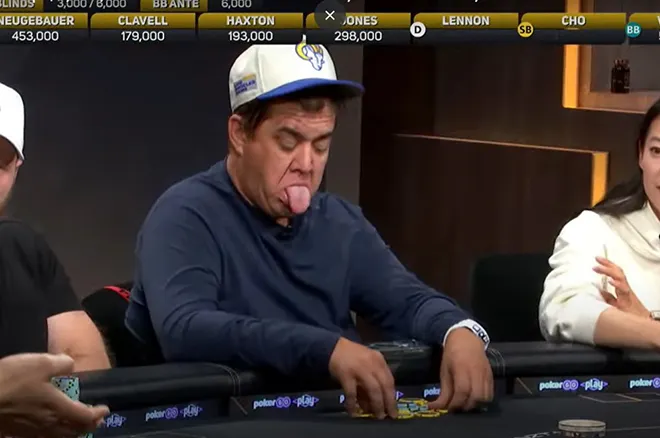
As we said at the start of this article, everyone is different. Some people play overly aggressively, while others become extremely passive. You find some players start jumping up in stakes or playing casino games, hoping to get lucky, while others simply withdraw their bankrolls and quit entirely.
Upping aggression is extremely common when someone is tilting. They will call down players light, force action in marginal spots, bluff too much, and generally splash around in pots. The main problem here is that they are playing emotionally rather than logically, and as such, can continue bleeding chips at an alarming rate, sending them deeper into a tilt state.
Conversely, and also damaging, is players playing passively or out of fear. They become overly cautious, so they will avoid thin value bets, see monsters under the bed, fold strong hands out of fear, and stop bluffing altogether.
Often seen toward the end of a losing cash game session or late in a tournament, players can become desperate and begin chasing losses. They may move up to stakes above what their bankroll allows, start taking unnecessary risks in their current game, or even throw caution to the wind and start playing blackjack, roulette, or slots in an attempt to win back their losses.


Why Is Tilt So Costly?
The main danger from tilt is that it can quickly compound losses. One poorly played hand often leads to another, and decision-making becomes reactive rather than deliberate. This can result in losing multiple buy-ins in a single cash game session, or busting from a poker tournament far earlier than expected.
Perhaps more importantly, going on tilt prevents learning. Tilting players tend to remember bad luck rather than their poor decisions, which reinforces unhealthy habits and thought patterns.
In-Game Techniques to Control Tilt
The first thing you must realise is that everyone tilts at some point in their poker career. The best players have trained themselves to quickly regain control once tilt rears its head.
This takes us to the first step of techniques to control tilt while you're at the tables: recognizing the early warning signs. It's rare for tilt to just appear without warning. You may realize your heart rate is increased, that your breathing has shallowed, or you have a negative internal dialogue. Tilt is much easier to control if you identify it earlier.
It is possible to prevent tilt, even when emotions are running high, by taking a little extra time on every decision. By slowing things down and consciously thinking through ranges and outcomes, you can help prevent impulsive mistakes.
Should that not work, don't be afraid to take a break to compose yourself, or even step away and quit the session early. The ability to step away when you are emotionally compromised is the hallmark of a strong player. Poker will still be there tomorrow, but your bankroll may not if you continue tilting.
A final in-game tip is particularly useful for cash game players. Setting a predefined stop-loss for each session can prevent you from tilting away your hard-earned money. If you lose two or three buy-ins, walk away regardless of how well or badly you believe you are playing.
Longer Term Strategies to Prevent Tilt
The most effective tilt control happens away from the tables. Start by reframing your relationship with variance. While most players accept that variance is a thing, that alone is not enough. You must start to understand that losing with the best hand isn't a failure but a necessary evil of the game. Players make money when their opponents make mistakes. If everyone played perfectly, nobody would win in the long term.
Track your results in great detail. Tools like PokerTracker 4 are perfect for online poker players; similar tools exist for live grinders. Tracking your results across thousands of hands shows you're on the right path and that losses and losing sessions are just bumps in the road to where you want to be.
Additionally, these tools allow you to objectively review hands. By studying the hands you have played, even running them through GTO Wizard or a similar tool, you might uncover some surprising results. For example, you may discover that you were the one who got lucky in a big pot, or that a hand that you thought you were sucked out on was lost due to an error in your bet sizing.
It is also an excellent idea to train your mind to focus on the quality of your decisions rather than the results. Anyone who judges their performance on short-term outcomes is on a hiding to nowhere. Instead, evaluate your sessions by whether the decisions you made were sound, given the information you had available at the time.
Final Thoughts
Tilt is a perfectly natural human response to uncertainty, loss, and perceived injustice. It is not a sign of inexperience or weakness because even the elite-level pros have or have had struggles with tilt. Winning players are not completely void of tilt. They have the ability to recognize it, manage it, and minimize its impact.
Mastering tilt control may be the single most profitable skill a poker player learns.