button in Safari
Taxpayer Money Down the Drain as Texas Poker Room Wins Major Legal Battle


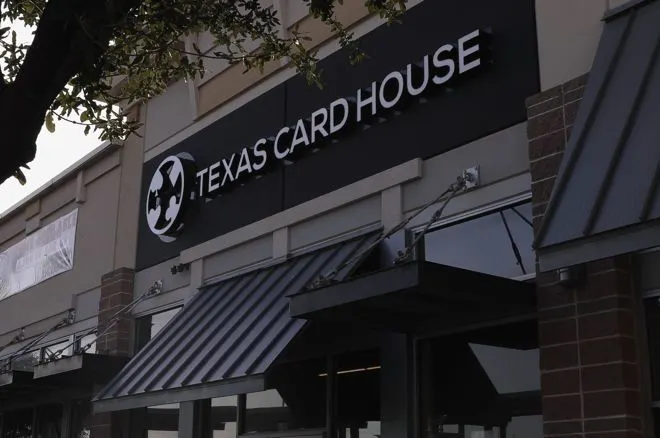
Table Of Contents
The city of Dallas spent hundreds of thousands of taxpayers' money fighting in court against Texas Card House, only to lose a three-year battle in the Texas Supreme Court on Friday.
Andrew Espinoza, Dallas' chief building official, received over $370,000 from the city council just in 2023 for legal expenses needed to sue TCH and the city's Board of Adjustment (BOA) over a Certificate of Occupancy issue, according to the Dallas Observer.
All that money spent — and there was more of it in 2024 and 2025 — went to a losing cause.
Texas Court Sides with Poker Room
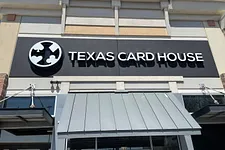
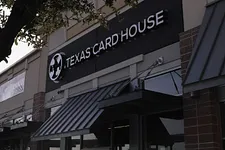
The Texas poker community, not just TCH, scored a victory on Friday when the Texas Supreme Court denied Espinoza's appeal. Ryan Crow, owner of Texas Card House, said he anticipates this being the end of the three-year legal battle against his Dallas poker club.
Crow received approval to operate a poker club from the city during a city council hearing in 2020. But it was revoked in October 2022. The card room filed an appeal with the BOA and won.
Espinoza and his team then successfully sued TCH and the BOA for reinstating the permit to operate. Crow's attorneys continued the fight, filing an appeal and winning again in August 2024. Espinoza, however, continued to fight back, and took the case up with the Texas Supreme Court, where he lost in what appears to be the end of the road for this case.
The building official argued TCH had been initially "issued in error" a Certificate of Occupancy. Texas Card House's attorneys argued in court that the C.O. was not issued in error, and the revocation was due to "lobbying or a change of mind about a reasonably disputable application of law."
It was initially determined by the court that TCH had violated the state's penal code prohibition on gambling and keeping a gambling place. Texas has strict anti-gambling laws. But there is a loophole in Texas Penal Code 47.04 that allows for poker rooms to operate so long as they do so without collecting rake.
The card rooms in the Longhorn State, at least the ones that are playing by the rules, charge membership and seat fees instead of rake. But some lawmakers and city officials across the state interpret 47.04 differently and do not believe any form of gambling is legal, regardless of the business model.
An Unlikely Ally
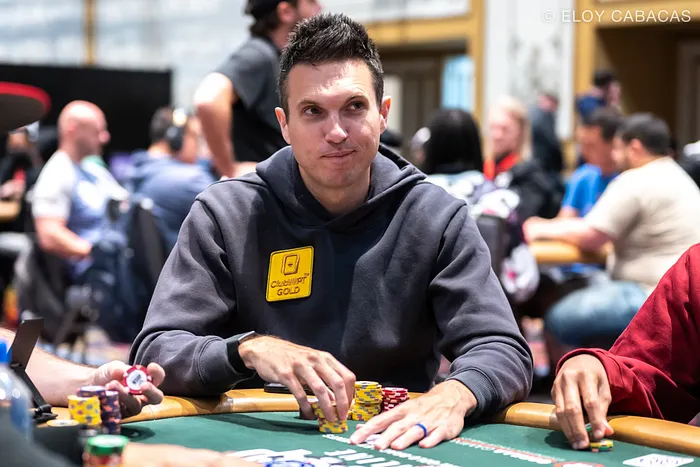
Texas Card House received assistance from its biggest competitor — The Lodge Card Club, a poker room near Austin and San Antonio co-owned by Doug Polk, Andrew Neeme, and Brad Owen. Attorneys for The Lodge submitted an amicus brief in defense of the right to play poker in Texas.
Texas Card House operates six poker clubs across the state. The Dallas location has been the target of the city's anti-poker stance for years. But, perhaps, those the Supreme Court ruling will be the end of it. The poker club has remained in operation throughout the legal battle.