button in Safari
More Than His Viral WSOP Moment: Inside Ken Strauss’ Road to Recovery

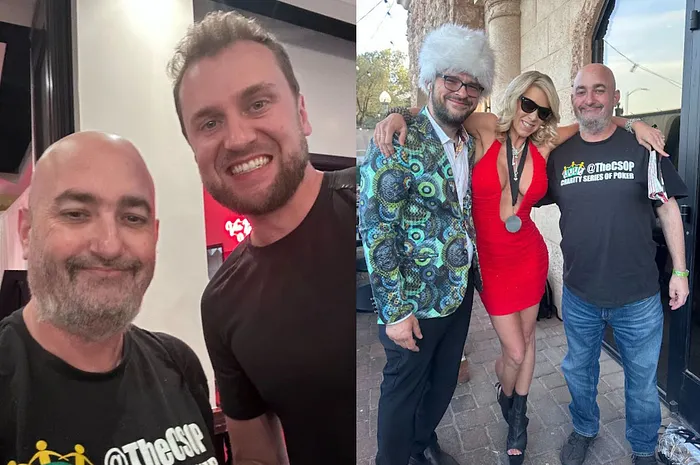
Table Of Contents
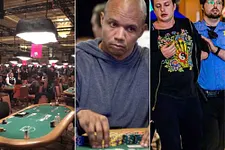
Seven years ago, Ken Strauss had a very public breakdown at the World Series of Poker (WSOP) Main Event. Most people saw a bizarre moment and moved on. Strauss couldn't. What followed was years of struggle, rebuilding, and an honest reckoning with his own mental health.
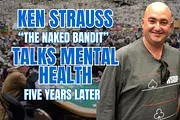
When I sat down with Strauss, the man the internet dubbed the "Naked Bandit", the goal wasn't to revisit headlines. Instead, we had an honest, emotional conversation about mental health, accountability, and the reality many poker players quietly face but rarely talk about.
"I think when my incident happened, everybody thought I was just having a stupid moment," he said. "But it was a psychotic episode."
A Perfect Storm
In the days leading up to the incident, Strauss said things unraveled slowly. He wasn’t sleeping, was drinking heavily, and had an unhealthy diet. All of which led to distorted thoughts.
“Everything felt like it was moving in slow motion,” he said. “I thought people at the table were cheating. They probably weren’t. But in that moment, I lost it.”
The pressure of poker's biggest stage didn't cause the breakdown, but it didn't help. "It could have happened anywhere," he said. "It just happened to be at the Main Event."
Looking back, Strauss can see where he went wrong, and how stubbornly he refused to see it at the time.
"If this was 2019 and someone tried to help me, I probably would have said, 'I'm fine,'" he admitted. "But I wasn't." That type of denial, he believes, is one of the biggest barriers to getting help, not just in poker, but everywhere.
Recovery didn't come quickly or cleanly. For a long time, Strauss was lost, until, bit by bit, he wasn't. What finally broke through was a Players' Tribune essay by tennis player Jessica Pegula, about her mother's cardiac arrest, about grief, about almost quitting, and about not quitting. Soon after reading it, Strauss started reaching out, calling, texting, rebuilding connections he'd let go cold. "That was the start of my recovery.
"If this was 2019 and someone tried to help me, I probably would have said, 'I'm fine.' But I wasn't."
A small but steady circle of friends helped him piece things back together. His college roommate Jeff. Andy and Aaron, who stayed in touch through the harder years. A co-worker he became close with named Mike. Jim and Diane Barber, people he'd met years earlier who kept showing up with support and perspective when he needed it most.
"Realizing who your real friends are, that was huge," Strauss said. "People who care about you, who you feel good talking to. Those are the people you keep around." At the same time, he made harder decisions about who not to keep around. "Some people I knew before 2019, I'll never talk to again," he said. "Not because I hate them. It's just not good for my mental health." As his personal life started to stabilize, something else lingered.
Setting the Record Straight
The story people told about the WSOP incident wasn't his story, and that needed to change. The WSOP incident had taken on a life of its own. An interview with PokerNews’ Chad Holloway gave Strauss a rare opportunity: his own words, his own story.
"I really can't thank Chad and PokerNews enough for giving me that platform two years ago. It was life changing for the better."
Since going public with his experience over the last two years, Strauss said the response has been overwhelming and mostly positive. "People have reached out. Some who didn't understand before now do."
For him, telling the story has never been about rewriting the past. It's about making sure someone else doesn't have to go through the same thing alone. "If this helps even one person," he said, "it's worth it."
Building a New Foundation & Seeing Poker Differently
Recovery also meant changing his daily habits from the ground up. "I haven't had a drink in seven years," Strauss said. "That's something I'm really proud of."
Therapy was another breakthrough, even if it didn't start as a choice. "I had to get mental health treatment during probation," he explains. "At the time, I was in denial. But talking to a therapist helped me realize: yeah, I've got some issues and I need to work on them." From there, things started to improve slowly through better habits, healthier routines, and a growing self-awareness he hadn't had before.
When asked what advice he'd give to a player who sees themselves in his story, Strauss doesn't hesitate. "Not every day is going to be perfect but you have to be willing to face what's going on." He also points to the warning signs that he didn’t pay enough attention to: "If you're not sleeping, if you're drinking too much alcohol, if things feel off, don't ignore it. Talk to someone." Knowing when to ask for help isn't a weakness. In poker and in life, it might be the smartest move you ever make.
"At the time, I was in denial. But talking to a therapist helped me realize: yeah, I've got some issues and I need to work on them."
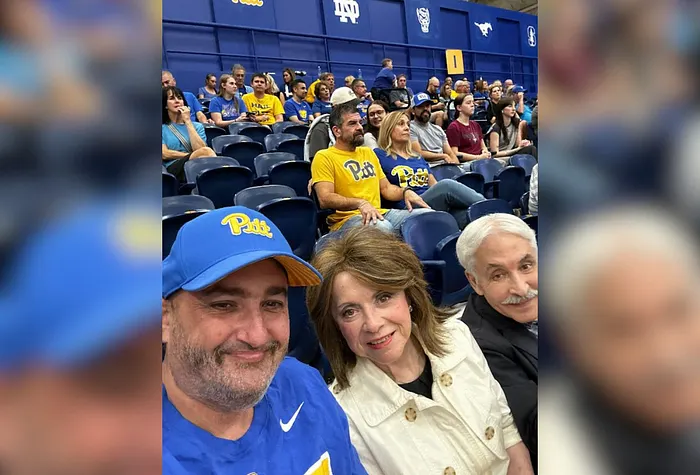
Today, poker plays a much smaller role in his life than it once did. "Ten years ago, poker was a big part of my life; now, it's more of a secondary part." He still plays, but with a different mindset: less pressure and more balance. Strauss has also started attending sporting events again, something that has always given him joy, but on a more limited basis. He now prioritizes a healthier lifestyle, focusing on sobriety and meaningful friendships.
Events like the Charity Series of Poker have helped reshape his relationship with poker entirely.
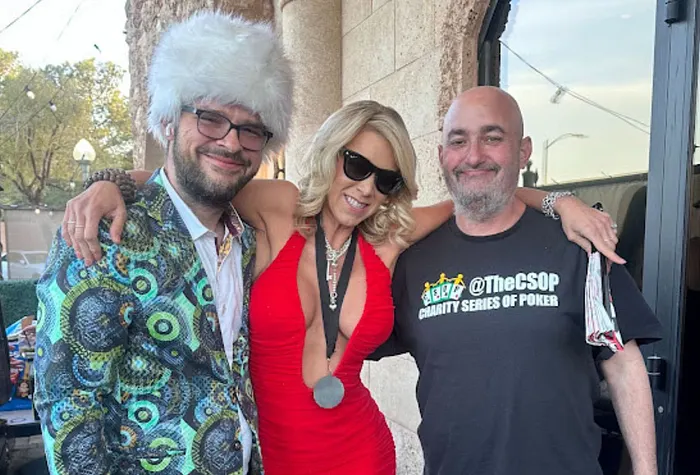
"The CSOP turned my poker life around," he said. "It's a real community. People care." That sense of community, he notes, is something the broader poker world often lacks but badly needs. “You don’t have to go through it alone,” Strauss said. “I didn’t realize that at the time, but I do now.” Proving that he can still navigate the felt with his new mindset, Strauss recently finished in eighth place during CSOP Event 97.
This article is dedicated to the memory of Stephen E. Kabakoff, a cherished friend of Ken's whose presence and spirit remain a part of his journey.
Ken's story is a powerful reminder that while the poker grind is often solitary, improving your mental health doesn't have to be. To ensure no player has to navigate these waters alone, the Charity Series of Poker is launching the Poker Players for Improved Mental Health Interest Group, a dedicated space offering resources, peer support, and community for those struggling off the felt. Join the Discord group to get involved.
If you are currently struggling with your mental health, the NAMI HelpLine is available Monday–Friday, 10 a.m.–10 p.m. ET. Call 800-950-6264 or text "NAMI" to 62640. In a crisis, call or text 988 (available 24/7).