button in Safari
Could Minnesota's Ban Actually Strengthen Prediction Markets?


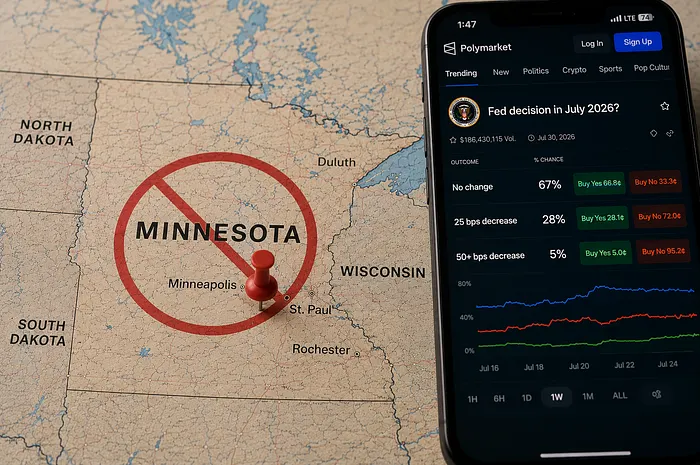
Table Of Contents
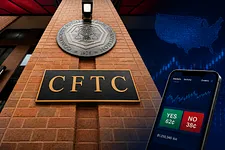
Minnesota has become the first state to outright ban prediction market platforms, setting up one of the clearest legal tests yet over whether event-contract trading belongs under federal commodities regulation or state gambling law.
Gov. Tim Walz signed the law this week, and the Commodity Futures Trading Commission sued almost immediately to block it before it takes effect on August 1. The Minnesota law would make it a felony to operate, host, or promote prediction markets in the state, including platforms like Kalshi and Polymarket.
The dispute is not really about whether prediction markets look like gambling. In many cases, especially sports markets, they clearly do to ordinary users. The harder question is whether that resemblance is enough for states to regulate them like sportsbooks, or whether federally regulated event contracts preempt state gambling restrictions.
The Argument in Favor of Banning Prediction Markets
Minnesota’s argument is as follows: states have historically regulated gambling, and prediction markets now let users wager on sports, politics, entertainment, and other outcomes in ways that can look very close to online betting. Supporters of the ban frame it as a consumer-protection measure, especially in a state where online sports betting is still not legal. NPR reported that the law also reaches services that help users access prediction markets, such as VPNs used to mask location.
Prediction market wagers look very close to online betting. Banning them is seen as a consumer-protection measure.
The Argument Against Banning Prediction Markets
The CFTC’s argument is equally direct: prediction markets are event contracts, and federally regulated exchanges should not be turned into criminal enterprises on a state-by-state basis. In its lawsuit, the agency said Minnesota’s law threatens the federal regulatory framework for derivatives markets and could criminalize trading in markets that fall under CFTC oversight.
Prediction market are events contracts. Banning these threatens wider derivative markets and could create a precedent for traditional, regulating trading to also be outlawed.
That tension is the whole fight. Prediction markets have become mainstream fast enough that the old categories no longer fit cleanly. They are not simply sportsbooks with different branding, but they are also not purely traditional financial markets. A weather hedge for farmers, an election contract, and a same-game-style sports market may all sit under the broad “event contract” label, but they raise very different policy questions.
Why this Matters (Beyond Minnesota)?
This ban could be hugely significant in regions far beyond just Minnesota. Other states have introduced bills targeting prediction markets, and the CFTC has already been fighting state-level efforts in several jurisdictions. NPR reported that more than 20 lawsuits are now tied to the broader state-versus-federal fight over prediction market oversight.
The industry’s strongest case is that prediction markets can create useful price discovery, especially when they are liquid and tied to real economic or political uncertainty. The strongest case against them is that many of the fastest-growing markets look and feel like gambling products, sometimes in states that have chosen not to legalize online sports betting.
Both points can be true. That is what makes the Minnesota case important. The legal system is now being asked to decide whether prediction markets should be treated primarily as financial exchanges, gambling products, or something awkwardly in between.
Prediction markets involve risk and are not suitable for everyone. While many platforms offer tools to make informed trades, outcomes are never guaranteed, and users should never risk more than they can afford to lose. Always trade responsibly. Additionally, platform availability and legal status vary by region. It is your responsibility to check local laws and verify that you are legally allowed to use a given platform before participating.