button in Safari
Famed World Series of Poker Photographer Ulvis Alberts Passes Away

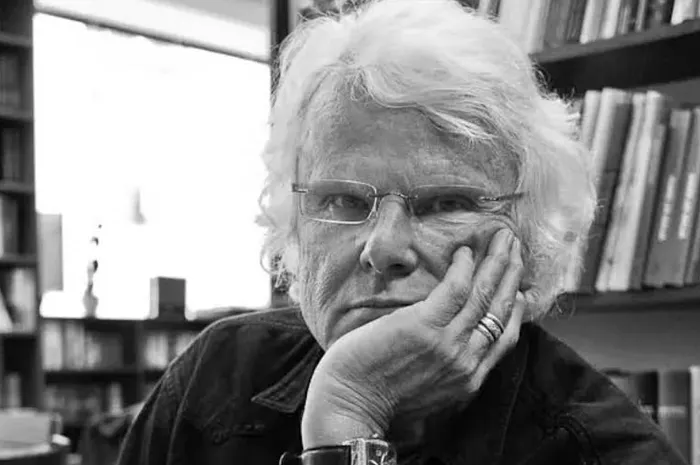
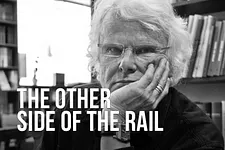
Ulvis Alberts, the first official photographer of the World Series of Poker (WSOP) who took some of the most iconic shots from the late 1970s and early 1980s – including those that hang on the walls inside the Horseshoe Hotel & Casino – has passed away at the age of 83.
The news was first shared on social media:
Alberts was the first photographer granted unlimited access to a previously roped-off world at Binion’s Horseshoe.
Born in Latvia, Alberts immigrated to the United States in 1949. He attended the University of Washington in Seattle and graduated with a Bachelor of Arts in radio and television. In the late 1960s, he snapped photos of luminaries such as Bob Dylan, Jerry Garcia, and Jimi Hendrix, just to name a few.
In the early 1970s, he relocated to Los Angeles after accepting an invitation to audit the filmmaker's program at the American Film Institute. During his time there he took iconic photos of celebrities such as Groucho Marx, John Wayne, Christopher Reeve, Peter Sellers, and many others. Those photos and more have been memorialized in his book Camera as Passport: 1966-2008.
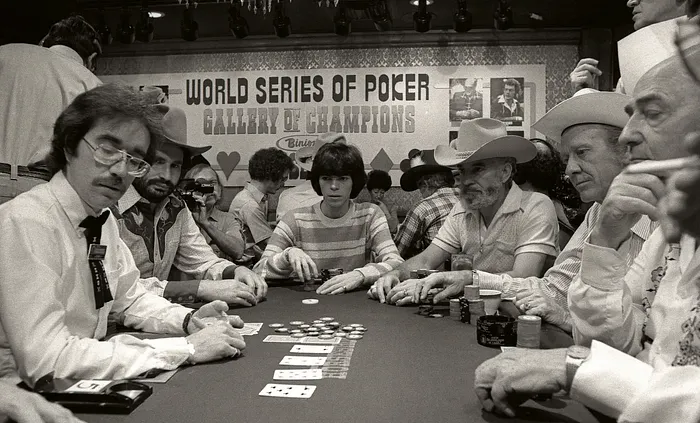
It was an adventurous and stellar career, and all before he ever set foot inside a casino. Then came an invitation from Jack Binion to photograph the WSOP for the first time.
"I got invited primarily by Jack Binion in 1977," Alberts told PokerNews back in 2019. "I was living in L.A. so I could drive my car to Las Vegas."
"It didn't seem like a big deal. It sort of allowed me on the other side of the tape. It gave me a chance to enter a world I wasn't familiar with. I'm not a poker player, by the way. It was a chance to see these people, these characters and cowboys, and in those days, I got a lot of good photography just by the fact that people were smoking cigars and cigarettes. The smoke enhanced some of the situations at Binion's. It was a new world."
Aside from the occasional winner photo or tourist pic, poker photography wasn't a thing at the time.
"I thought what the local news photographers had done was just show the winning hole cards with the winner next to the cash," said Alberts, who shot with a noisy Nikon film camera. "It was boring stuff. I was trying to get a little more intimate, a little more character-oriented and so on."
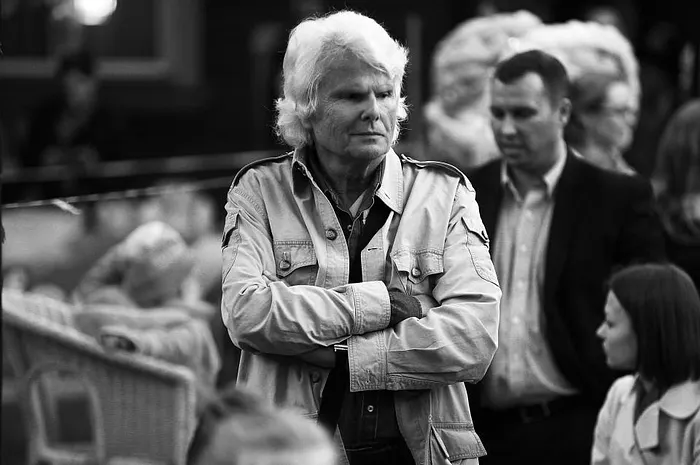
He added, "I don't know many people who did what I did. I hung in there on my knees by a chair. I'm sure I was disturbing somebody by being there, but it allowed me to get photographs that nobody else got. A lot of my photos ended up in other people's books — certainly the magazines of the time — and I just did it because it was something I hadn't done before. I hadn't been around that kind of crowd."
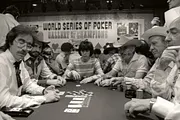
Alberts's photos certainly captured special moments in poker history, ones filled with fabled characters like Stu Ungar, Puggy Pearson, and Amarillo Slim.
"I was up close and personal because I wanted to get shots I thought nobody else cared about," Alberts said. "I don't remember anybody complaining. I don't know if they talked to Jack Binion about it, but I just kept on going … I felt welcomed there. I felt I was doing something worthwhile, and I knew the photography would be better than just anybody dropping in on the game.”
"I was on the other side of the rail, which kept the crowds out. I had it to myself, that was the important thing, and they let me keep doing it."
Poker Face
In 1981, Alberts collected many of his photos into his first fine art photography book, Poker Face. Today, the book sells for as much as $2,500 on the aftermarket. After that, he pivoted away from poker to pursue other passions. However, like it does to so many, the game eventually called him back.
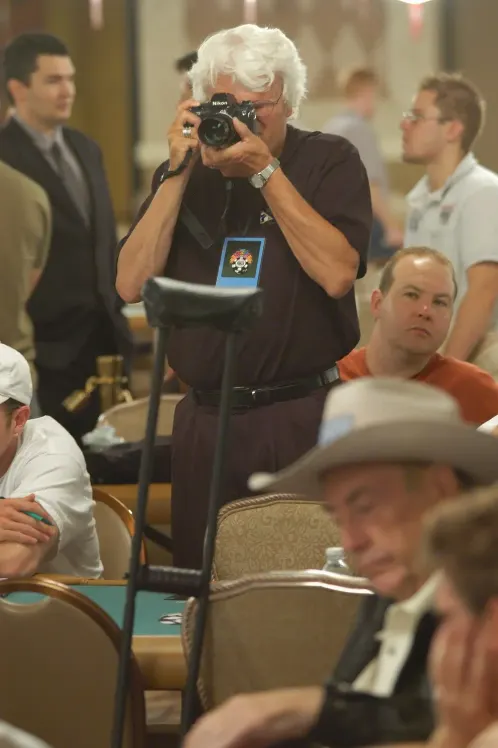
A year before Tennessee accountant Chris Moneymaker would change the course of poker history forever, Alberts returned to Binion's in 2002. Unfortunately, he discovered that things were not the same as they had been before. Most of the characters he'd met more than two decades earlier had passed away, with Doyle Brunson being an exception.
Still, Alberts set about doing what he does best — taking photos — and in 2006, he followed up his original collection with Poker Face 2, limited to 2,000 copies. He even made his way to the Rio himself for several years during the "poker boom" to sell the book at a booth.
"I went to the Rio, but it became too large for me," he says. "It was too much of an event. What do I do here? There are so many people. I didn't see the characters I enjoyed at Binion's in a smaller room. It's just different now. I just felt I had done what I could do with photography. There are a lot of pictures.”
PokerNews offers its condolences to the friends and family of Ulvis Alberts.
Special thanks to Toms Zvirbulis of Galerija Birkenfelds and Eric Harkins of Image Masters for their help and photo permission in this article. Lead image courtesy of (c) Imants Gross.