button in Safari
Why the Election Results Could Benefit Poker Rooms in Texas


The midterm elections in the US went great if you're a Democrat and awful if you're a Republican, especially in Texas, a longtime stronghold for the GOP.
But even if you were disappointed with the outcome and you play poker in the Lone Star State, there is a silver lining. The new attorney general, Nathan Johnson (D), has at least one stance you'll probably agree with — he's pro-gambling and poker.
Johnson, the underdog entering the Nov. 3 election, defeated Mayes Middleton (R) by 6.5 points to become the new Texas Attorney General. Middleton, who supported the current Texas poker model, was attempting to replace Ken Paxton (R), who ran and lost to James Talarico (D) for Texas' US Senate seat.
What Does This Mean for Poker in Texas?
Texas, a state that prides itself on loving freedom, has some of the strictest anti-gambling laws in the country. But there are legal poker rooms all across the state thanks to a "gray area" law. Card rooms can operate legally so long as they don't collect rake, although some detractors believe poker is illegal regardless of the business model.
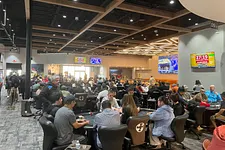
Many poker rooms in the state — the ones who actually care about running a legal business — operate as social clubs, charging membership and seat fees in place of rake. But even some of these rooms such as The Lodge Card Club in the Austin area have faced legal action. The Lodge is one of the most popular and respected poker clubs in the state, along with Texas Card House and Champions Club.
These established social clubs still face scrutiny from lawmakers. It appears, however, that Johnson, soon to be the top law official in Texas, will be an ally to the poker community.
Johnson, a current State Senator, proposed Texas Senate Joint Resolution 82 (SJR 82) in March 2025, a constitutional amendment to allow Texas voters to decide on removing constitutional bans against strictly regulated gaming. The bill died in the Senate State Affairs Committee. But one key area of the proposed measure was to eliminate any legal gray areas for poker clubs and instead make the law clearer.
Johnson's attorney general campaign even used poker imagery and commentary in ads and social media posts, even going so far as to mock Middleton's "poker face." The new Texas AG, however, faced criticism for receiving a $4,500 donation during his campaign from Texas Sands PAC, linked to Las Vegas Sands Corp, now run by former Venetian owner Sheldon Adelson's wife, Miriam Adelson.
The concerns political opponents had with Johnson accepting that campaign donation was due to Sands Corp actively planning to build a casino resort in Texas. To do so, they'd need the statewide casino ban lifted, and that is where a pro-gambling AG could be useful to Adelson. But Johnson, in an interview with CBS News, defended the campaign donation last year and said even if SJR 82 had passed "there would still be no such thing as destination resort casino gaming or any other kind of gaming legal in Texas as a result,"
"What the bill does do is remove a constitutional prohibition on any form of gaming, however strictly regulated," Senator Johnson said.
Johnson does approve legalized gambling in Texas, including casinos and sports betting, which he's said would benefit the state since so many residents travel to Oklahoma to gamble in casinos such as Choctaw Resort.
Texas also elected a new Lieutenant Governor, with Vikki Goodwin (D) upsetting the incumbent, Dan Patrick (R), by 6 points. Goodwin isn't a poker pro but she has said she wants to "put it to the people" in reference to poker legislation. The new Lt. Governor of Texas differs from her predecessor, who was a roadblock to casino and expanded poker bills.
The Lt. Governor of Texas, like the Attorney General, is one of the most powerful political offices in the state. Goodwin and Johnson will both have an impact on the legality of poker in Texas for years to come.
*Feature image courtesy of Wikimedia Commons/Jay Goodwin.