button in Safari
Be Careful When Betting! Essential WSOP Rules to Remember

Table Of Contents
Stepping into the action at the 2026 World Series of Poker is an adrenaline rush, but nothing kills that high faster than a mistake at the tables that lands you with a penalty.
With the series well underway at the Horseshoe and Paris Las Vegas, the floor staff is strictly enforcing the rulebook to keep the action moving.
Here is your guide to avoiding silly mistakes, so you can focus on your opponents rather than the floor person.
Clarity is King
At the WSOP, your very first movement or word is binding.
According to Rule 90, if you declare a bet verbally and push chips simultaneously, a clear verbal declaration takes precedence. However, if there is a gap between the two, whichever happens first defines your action. This means if you drop a chip and then say "raise," you have likely already committed yourself to a mere call. To avoid being "ruled into" a move you didn't want, the best strategy is to decide on your exact amount before your hands leave your lap or your chips leave the stack.
If you intend to raise, announce the word "raise" clearly before moving a single chip.
Binding Declarations
That being said, ensure you're 100% ok with what you're going to announce. Words carry weight at the poker table, and Rule 90(d) makes it clear that verbal declarations in turn are absolute.
If you face a bet and accidentally mutter "check," you have surrendered your right to raise for that round; you may only call or fold.
Similarly, if you are first to act and say "call" out of habit, it is ruled a check. The rules also demand that you act in your proper turn. If you act out of turn, such as folding or betting before the player to your right has finished, your action is binding if the play doesn't change behind you.
Intentionally acting out of turn to influence others is a serious offense that can lead to penalties or even disqualification under the 2026 conduct guidelines.

The "Oversized Chip" Rules
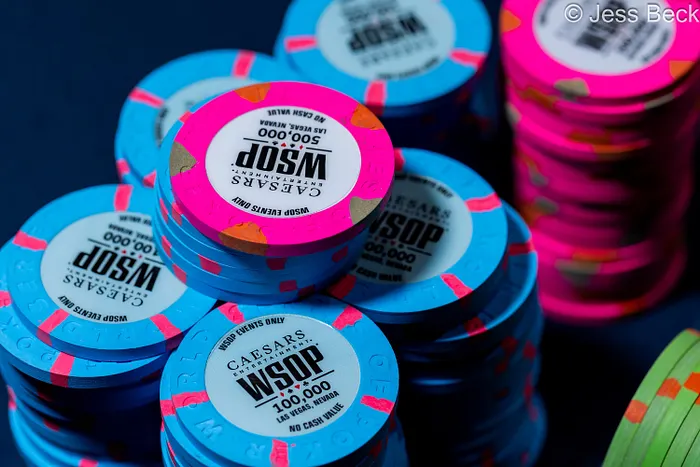
The "oversized chip" rule is the single most common cause of floor disputes for new players. Rule 97 states that silently tossing a single chip that is larger than the current bet is always ruled as a call.
For example, if someone bets 1,000 and you toss in a 5,000 chip without saying a word, you have called 1,000, not raised.
If you want to raise using that single chip, you must verbally declare "raise" before the chip hits the table surface. If you say "raise" but don't specify an amount, your raise will be the maximum value of that chip.
Underbets and the 50% Rule
Errors in bet sizing are corrected based on a "point of no return" logic. If you accidentally underraise, meaning you put in more than a call but less than the minimum legal raise, Rule 95 kicks in.
- If your additional chips amount to 50% or more of the minimum raise, the floor will force you to complete a full minimum raise.
- If the amount is less than 50%, you will be forced to simply call and take your extra chips back.
To keep your stack safe, always double-check the current amount of the raise before you commit your chips.
Handling Premature Cards and Technical Errors
Sometimes the mistake isn't yours, but the dealer's. If a card is dealt before the betting round is complete (Rule 90(f)), the WSOP has a strict reshuffle protocol. For a premature flop, the burn card remains, but the three board cards are returned to the deck and reshuffled before a new flop is dealt.
For the turn or river, the premature card is set aside, the "real" burn card for that street is dealt, and the premature card is shuffled back into the deck to be re-dealt. While these situations can be frustrating, especially if that premature card was the one you needed, maintaining your composure is key.
The floor's decision in these technical matters is final, and the 2026 rules emphasize that players must defend their right to act if they are skipped before substantial action occurs.