
 button in Safari
Short Deck Poker Hand Rankings - What Beats What in 6+ Hold'em?
Short Deck Poker (also known as six-plus Hold'em) is quickly becoming one of the most popular poker variants, especially in Asia and among the high-stakes poker community.
While Short Deck Poker can be played fixed limit or no-limit with the same rules as regular Texas Hold'em, it is most frequently played no-limit and with alternative hand rankings. These are confusing to many players because unlike with Texas Hold'em hand rankings, a flush beats a full house in all variations. In full-deck poker variants, it is the opposite due to the probability of making each hand.
That's where we come in. This page will explain the rules and intricacies of Short Deck Poker, explain the differences from full-deck poker variants (one being the lower equity of the best starting hands) and teach you the full Short Deck poker hand rankings. You'll learn:
- What is Short Deck (6+) Poker?
- Short Deck Poker Hand Rankings
- Short Deck Rankings vs Texas Hold'em - What's the Difference?
- Most Common Mistakes Made with Short Deck
- How Best to Practice Short Deck Poker
Short Deck Hand Rankings - At a Glance
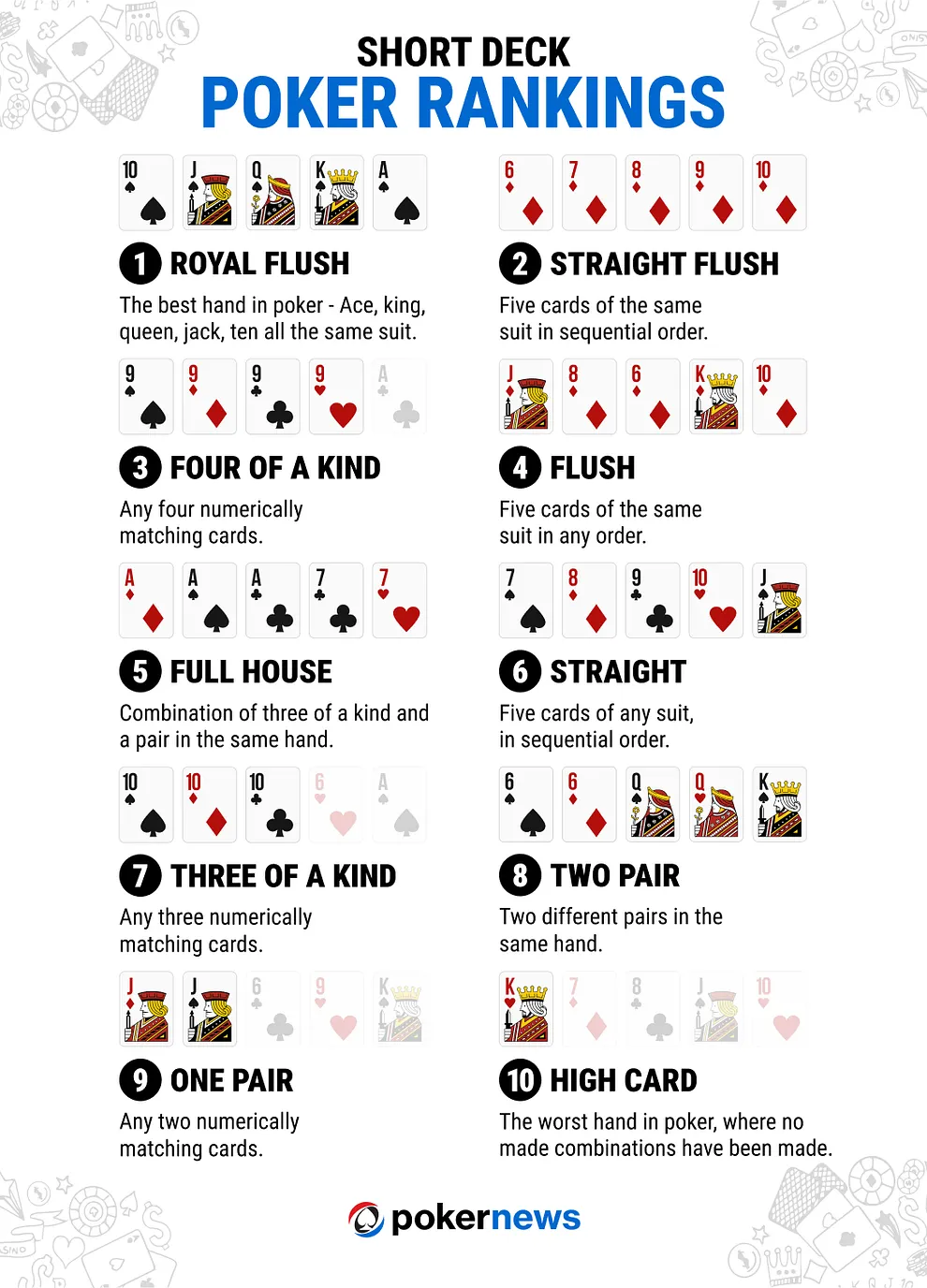
See the full hand rankings for Short Deck poker below, including what the best and worst 6+ Hold'em hands are. See the hierarchy of Short Deck hands and learn what beats what in the popular poker variant.
What is Short Deck (6+) Poker?
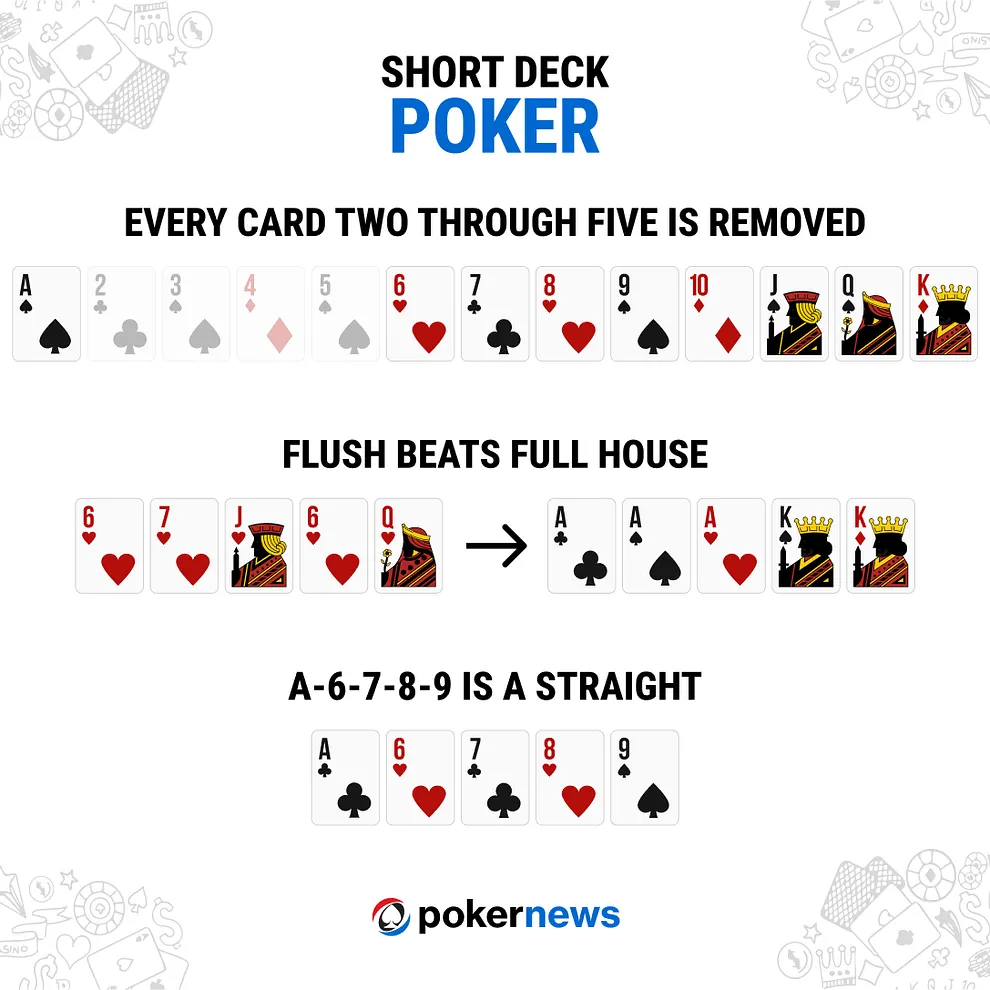
Short Deck Poker, also called 6+ Hold'em, is a variant of Texas Hold'em where the bottom cards are removed from the deck, leaving 36 cards going from 6x to Ax.
Like in regular Hold'em, the Ax plays both high and low, meaning Ax6x7x8x9x is a straight. There are other differences between Short Deck Poker and regular Hold'em, most notably that a flush beats a full house.
But there are similarities to regular Hold'em, including that the game is typically played in fixed or no-limit and can be played in cash game or tournament format.
Short Deck Poker Hand Rankings (Highest to Lowest)
The biggest thing that sets Short Deck Poker apart from Texas Hold'em is the difference in hand rankings.
The Short Deck hand ranking system values flushes over full houses. The reason for this is that, with removing the lower cards in the deck, hand combinations and probabilities change. So full houses are actually easier to make than flushes, hence why they're ranked lower.
In Short Deck Poker, the ace plays as both low and high, essentially replacing the five. That means hands like Ax6x7x8x9x and 10xJxQxKxAx are both straights.
In some variations of Short Deck poker, three-of-a-kind is actually ranked higher than a straight. However, for the sake of simplicity we're focusing on the most common version of 6+ Hold'em and its rankings.
Here's the full list of poker hand rankings for Short Deck, going from highest to lowest.
| Rank | Poker Hand | Hand Example |
|---|---|---|
| #1. | Royal flush | 10♦J♦Q♦K♦A♦ |
| #2. | Straight flush | A♦6♦7♦8♦9♦ |
| #3. | Four-of-a-kind | K♦K♠K♥K♦6x |
| #4. | Flush | K♦J♦10♦9♦6♦ |
| #5. | Full house | K♦K♠K♥6♦6♠ |
| #6. | Straight | A♠6♣7♥8♥9♦ |
| #7. | Three-of-a-kind | K♦K♠K♥6♦Q♠ |
| #8. | Two pair | K♦K♠6♥6♦Q♠ |
| #9. | One pair | K♦K♠6♦8♥Q♠ |
| #10. | High card | K♦6♥9♠8♠Q♥ |
#1. Royal Flush
Just like in other poker variants, a royal flush is the strongest holding in Short Deck Poker. A royal flush looks like A♥K♥Q♥J♥10♥.
#2. Straight Flush
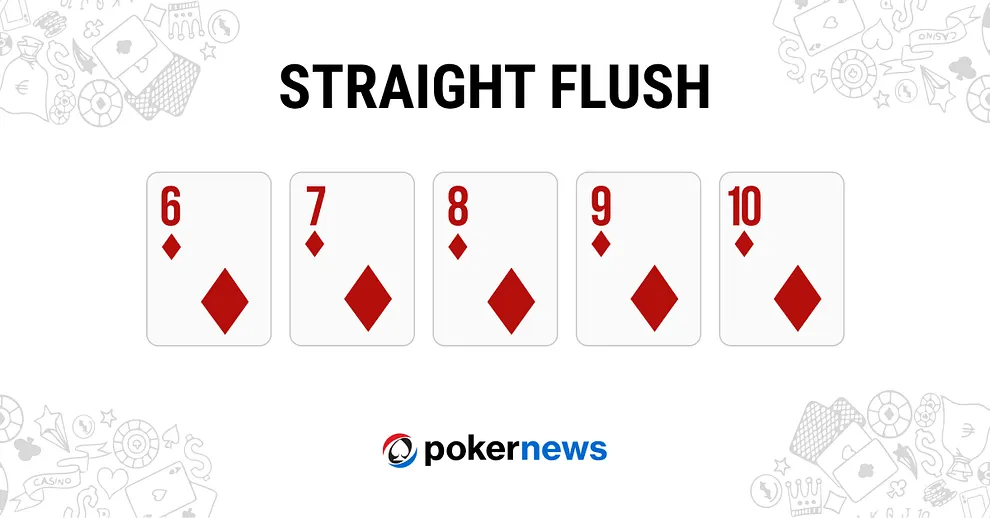
A straight flush, five consecutive cards of the same suit, is the next strongest holding in Short Deck Poker. One example of this is 6♦7♦8♦9♦10♦.
#3. Four-of-a-Kind
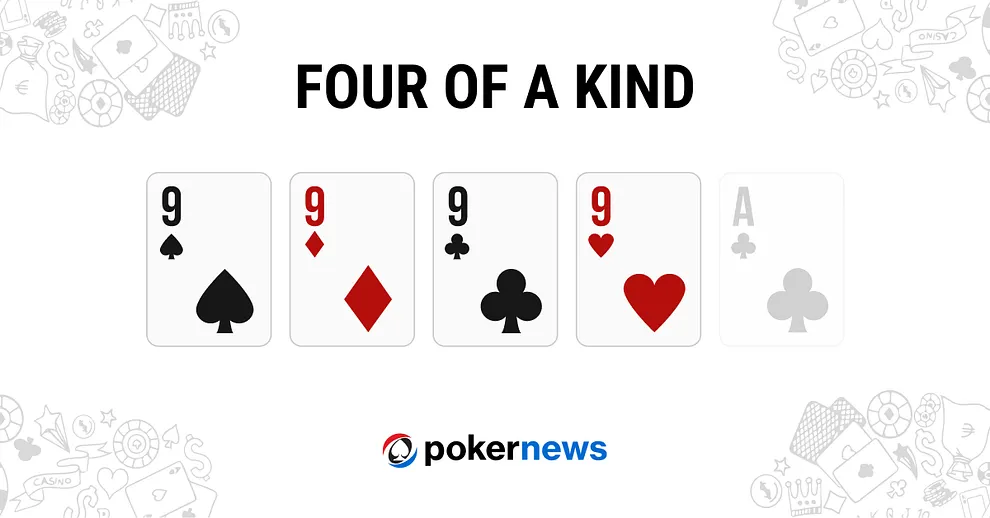
Again, four-of-a-kind, or quads, is a holding that is similar to other poker variants. One example is K♦K♠K♥K♦8x.
#4. Flush
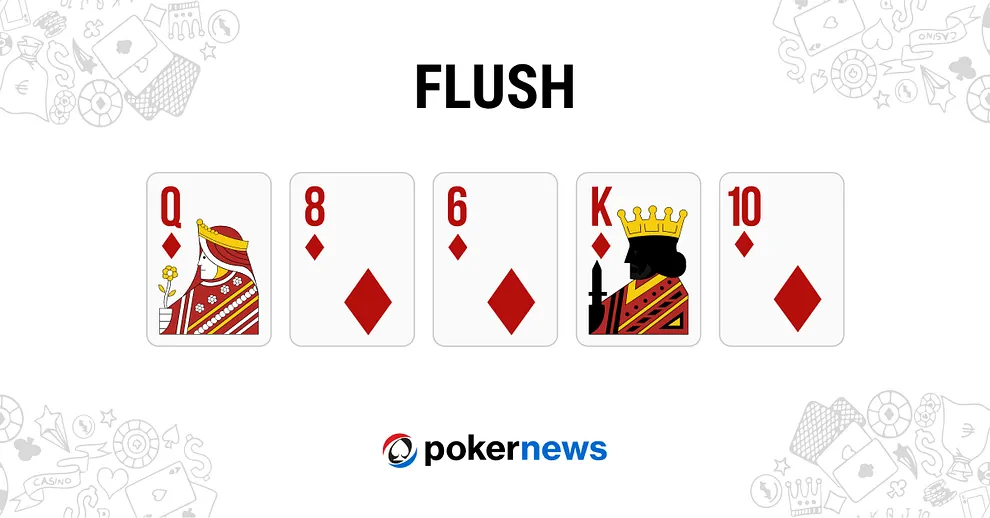
Unlike in Hold'em, flushes, five cards of the same suit like A♠Q♠9♠8♠7♠, outrank full houses in Short Deck Poker due to a change in odds.
#5. Full House
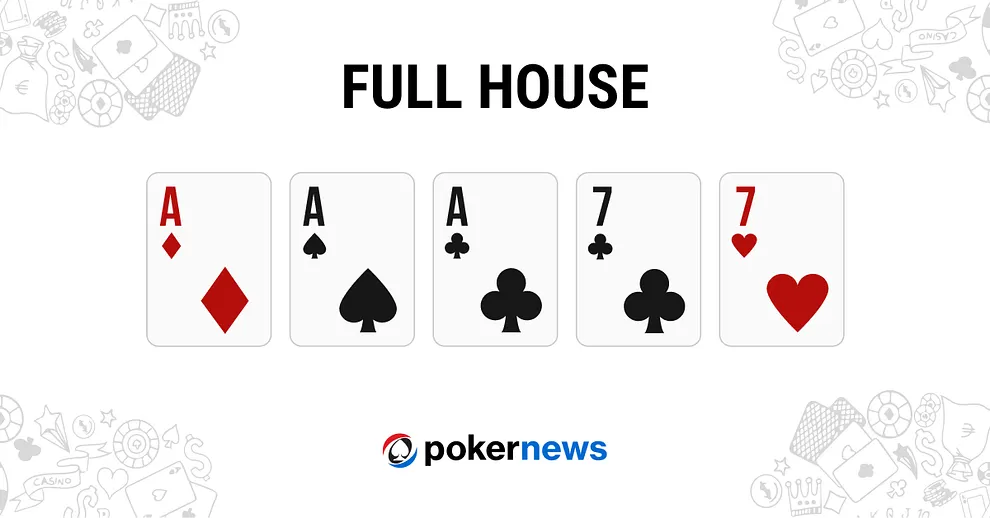
A full house is three of a kind with a pair, which doesn't beat a flush in Short Deck Poker. One example is K♦K♠K♥9♠9♥.
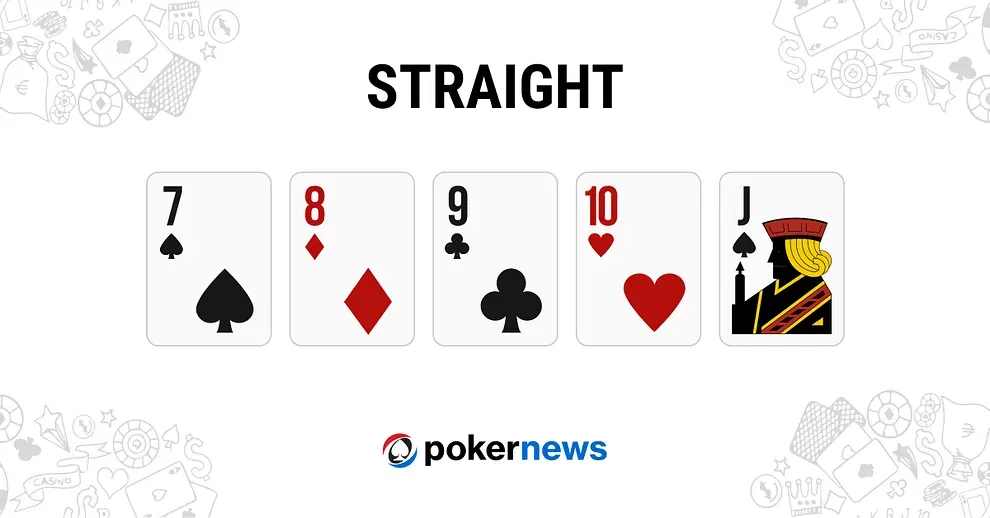
#6. Straight
A straight is five consecutive cards of any suit, like 6♠7♥8♥9♠10♣.
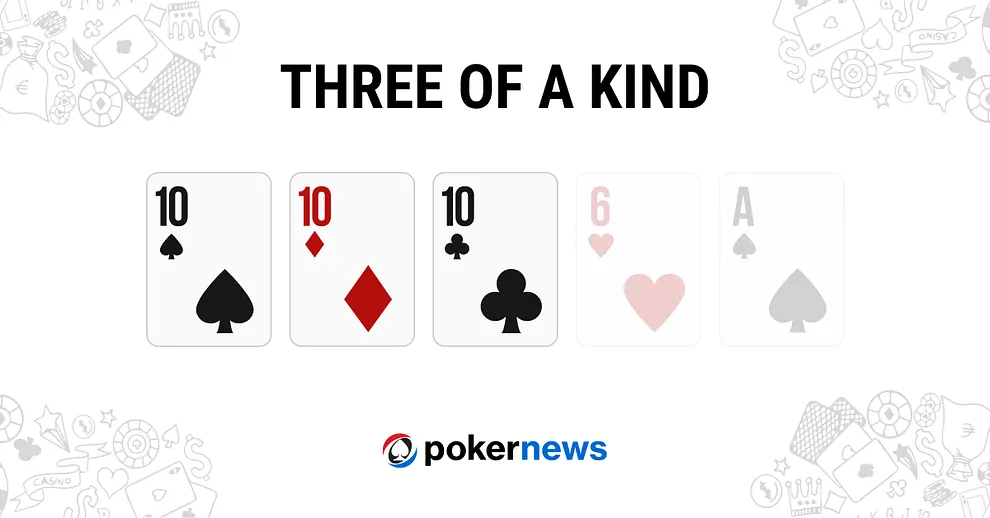
#7. Three-of-a-Kind
An example of three-of-a-kind in Short Deck is J♣J♠J♦6♠Q♠. In some variants of 6+, this hand beats a straight, but this isn't the case in the most common form of the game.
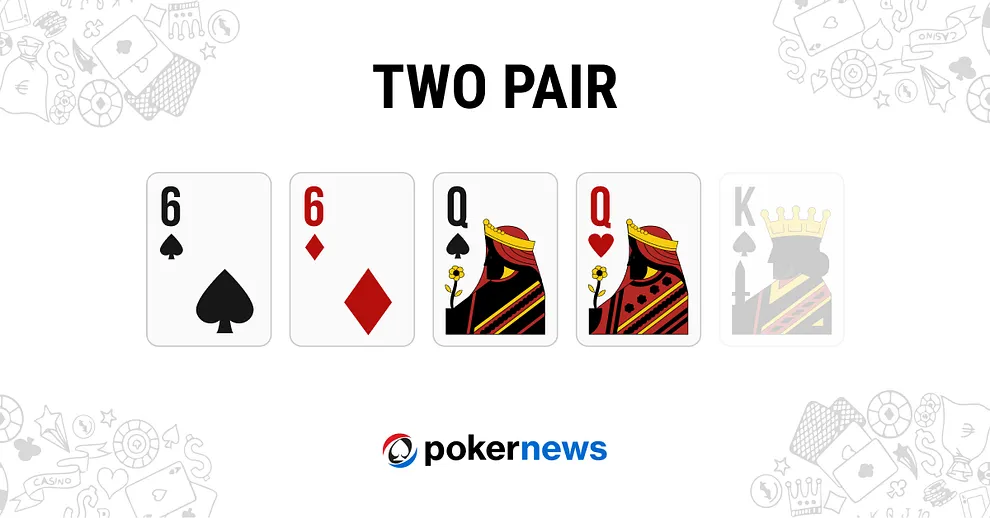
#8. Two Pair
An example of two pair is J♣J♠6♣6♠Q♠. Two pair is far less effective in Short Deck compared to Texas Hold'em and shouldn't be overplayed.
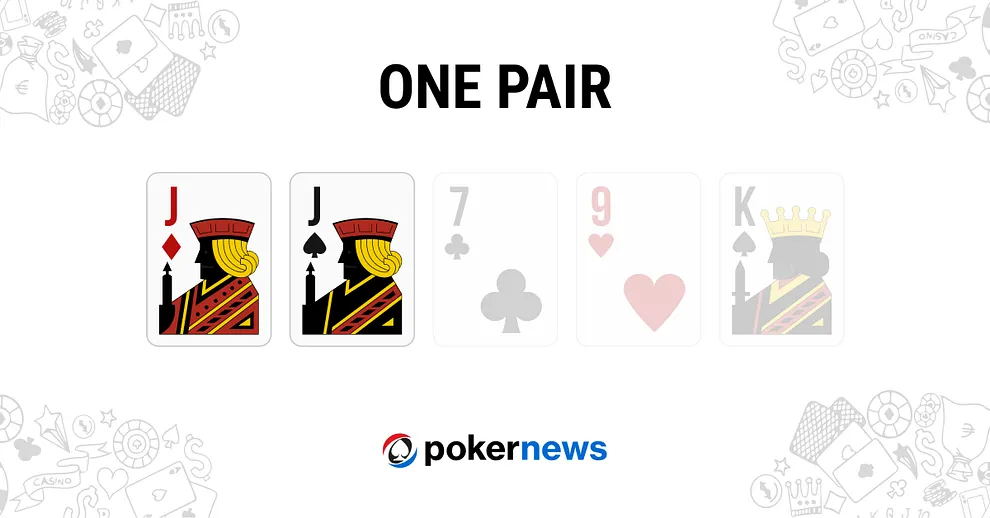
#9. One Pair
A single pair, like 9♠9♣A♠Q♣K♠, is the second-lowest holding in Short Deck Poker.
#10. High Card
A high card is an unpaired hand that isn't a straight or flush, like 6♠8♥9♠Q♠A♥ is the lowest holding in Short Deck Poker.
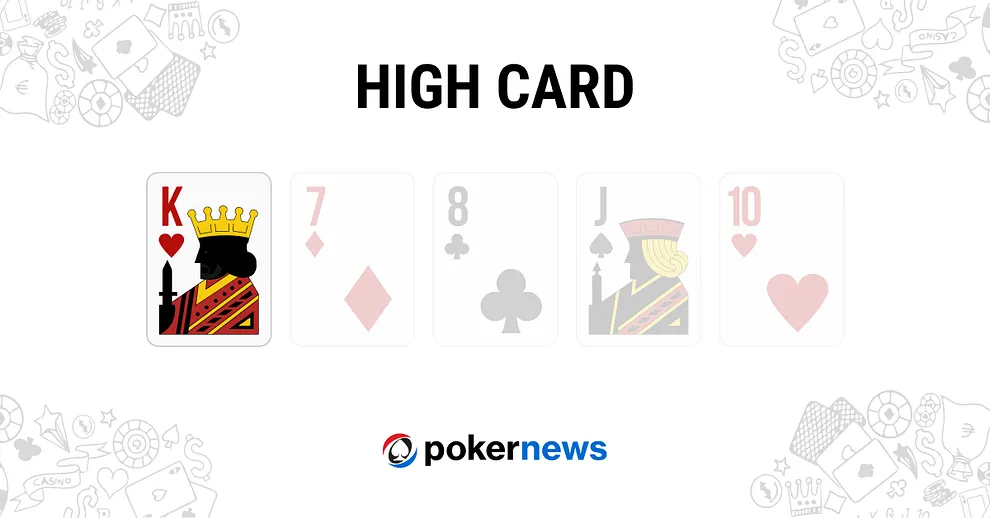
Short Deck rankings might seem complex and be tough to get to grips with because they stray from 'the norm.' However, a flush beating a full house is the only difference. If you've mastered regular Hold'em hands, it won't take long to adapt to 6+ rankings.
Short Deck Hand Rankings vs Texas Hold’em – What’s the Difference?
As mentioned, there are a couple of significant differences in Short Deck poker rankings compared to Texas Hold'em. In this section, we'll not only cover the differences, but we'll also include how this impacts certain aspects of the game.
Different Hand Frequencies
Fewer cards means different probabilities and altered hand frequencies. In general, every hand is easier to make with the smaller deck. Therefore, you'll see hands like royal flushes far more often than Texas Hold'em - though they're still rare.
For another example, it is much easier to make two-pair hands, meaning top-pair hands are less strong in Short Deck Poker. For the same reason, it's far less common to see a hand won at showdown with just a high card.
Better Drawing Odds
Additionally, the odds of hitting straight draws are better. One such example is that you're more likely to hit an open-ended straight in Short Deck Poker. That means it is easier to hit straights and full houses than in full-deck Texas Hold'em.
However, it's important to mention 'blockers.' These are cards that one player might have in their hand that another player needs to improve their hand. For instance, if you are drawing to a broadway straight it's more likely your opponents might have higher-value cards that block some of your outs (otherwise, with low cards they're more likely to have folded preflop). But overall, you'll find you hit your straight draws more frequently.
WATCH: What is a Draw in Poker? Explained
More Action
As mentioned, players hit those top hands more frequently in Short Deck, and as such you'll see much more action. Naturally, when we hit a strong hand it's more difficult to let it go. Beginners, especially in Hold'em, will hit hands that are relatively weak (like top pair) and struggle to fold. In Short Deck, you'll be punished even harder for committing your chips with mediocre-to-weak hands, as the relative strength of a hand like three-of-a-kind is considerably weaker in 6+ than in Hold'em.
No Blinds - Just Antes
Another reason for the increased action are the fact that there are no blinds in Short Deck. Instead antes are used, where each player must commit a set amount of chips into the pot preflop before every single hand. The ante amount is smaller than a typical big blind, but this structure is hugely significant. While this isn't a difference that's directly related to the hand rankings, it does (or should) impact the hands you select to play.
Not only does it promote more action due to all players having committed chips into the pot every hand, but it also changes the dynamic in tournaments. You cannot simply sit back and wait for a premium hand to fall you're way. In Short Deck, passive pay is punished by antes and if you aren't proactive in attacking pots and taking them down, you'll quickly find your stack 'blinded' down.
Hand Rankings
We've mentioned in numerous time already, but probably the largest difference in Short Deck compared to Texas Hold'em is the hand rankings. Flushes beat full houses, which is something that catches a lot of beginners out.
Why Does a Flush Beat a Full House in Short Deck?
Flushes beat full houses and most versions of Short Deck Poker due to the probability of hitting both hands. Let's examine why this is the case.
Simply put, there are fewer combinations of flushes than full houses in Short Deck Poker, while the opposite is true in full-deck Texas Hold'em. That's because there are fewer cards of each suit, and therefore less ways to make flushes.
At the same time, a reduced deck makes it easier to draw to a full house, making them less valuable than flushes. Therefore, flushes are considered more valuable in Short Deck Poker.
The Ace-Low Straight Rule in Short Deck
Next let's look at the role that aces play in Short Deck Poker.
Just like many other poker variants, including full-deck Texas Hold'em, aces are considered high and low cards for the purposes of making straights. In short deck, that means aces replace the five, making Ax6x7x8x9x a straight.
Aces also play high, meaning 10xJxQxKxAx is also a straight, and a much stronger one.
Why does this work? Simply put, removing 2-5 from the deck doesn't change the fact that the top card, an ace, can also act as the lowest card.
A common mistake for beginner Short Deck players is to forget that low cards aren't included in the deck, leaving them unsure of the rule that aces play in their hand. For example, a player holding 9x8x might not realize they have a straight on a board of 6x7xAx.
Does Suit Matter in Short Deck?
Unlike at Men's Warehouse, all suits are of equal value in Short Deck Poker.
Just like in full-deck Texas Hold'em, suits do not rank, meaning a diamond flush is no more valuable than a spade flush, and vice versa. However, the high-card, or kicker, still matters, meaning an ace-high diamond flush will still beat a king-high spade flush.
Top 4 Common Short Deck Mistakes to Avoid
Given the vast differences between Short Deck Poker and regular Texas Hold'em, it shouldn't come as a surprise that there are several common mistakes that Short Deck newcomers make.
Let's take a look at the four most common mistakes in Short Deck (excluding the flushes beating full houses rule as we've already covered that extensively!).
- Overvaluing Small Pairs
- Misunderstanding Straight Frequency
- Ignoring Increased Aggression
- Overvaluing Strong Texas Hold'em Hands
1. Overvaluing Small Pairs
The fact that full houses are devalued in Short Deck Poker hints at something: that pairs in general are less valuable than connected cards.
This means that small pairs are less valuable than in full-deck Texas Hold'em, because they can only draw to hands that are beat by flushes. It is better to have connected and suited cards than small pairs due to their better hand-making potential.
2. Misunderstanding Straight Frequency
Another mistake is for players to misunderstand the value of their straight draws. It is much easier to hit a straight in Short Deck, because the number of outs remain the same (eight for an open-ended draw), but there are fewer cards in the deck, thus increasing the percentage you will hit a straight.
So in contrast with the previous point, you can actually adjust a little and play straight draws slightly more aggressively. Don't be fooled into thinking you'll hit your straight every time, but compared to Hold'em you will complete your hand far more often.
3. Ignoring Increased Aggression
New players to 6+ Poker sometimes don't realize that they need to play more aggressive in Short Deck Poker. This is due to the fact that there are increased odds of hitting strong hands like straights and full houses, as well as the effect on your stack of paying an ante every hand.
Like with games like Pot-Limit Omaha, the increased chances of hitting strong hands mean that it's important to up the aggression. For one, adding more chips into the pot means when you do hit the top hands (which as we've mentioned happens more frequently), you'll be paid out more. This is even more relevant when you think about opponents' hands and the fact that they're also more likely to have a stronger hand that will give you action.
Secondly, you want to try prevent your opponents from hitting their draws or improving their hands. If you have a decent holding in 6+, you should charge your opponents (who might not yet have made a strong hand) a heavy price early on for continuing in the hand and trying to improve. .
4. Overvaluing Strong Texas Hold’em Hands
Another final mistake new players often make it to overvalue strong Texas Hold'em hands, such as three-of-a-kinds or straights. Three-of-a-kind is far more susceptible to being cracked by straights - which are commonly made in Short Deck. In contrast, three-of-a-kind is a strong holding in Hold'em. Equally, straights shouldn't be overvalued. Full houses will crack those and you also find that opponents can have higher straights.
Be cautious with hands like three-of-a-kind, straights and full houses in Short Deck. While they're still good hands to make, they're far less powerful than in Texas Hold'em and overplaying them could be costly. Judging opponents' strength based on the connectivity of the board is crucial.
How to Practice Short Deck Safely

Since it is easier for beginners to make mistakes, and because Short Deck is especially popular in high-stakes circles, it is important that players know how to train and learn the game.
Here is a look at the best ways to learn and practice Short Deck effectively, including through freerolls and free money poker.
Freerolls / Free Poker
The best way to learn any new poker variant, including Short Deck, is through freeroll tournaments or free money play offerings. This is because it is low-risk and there is no chance of losing money.
Poker sites will rarely run Short Deck poker freerolls, but free poker tournaments in general can get you accustomed to Texas Hold'em. From there, you can gain transferable skills and knowledge that you can apply to Short Deck.
However, if you do want to give 6+ Hold'em a try without any risk involved, some poker sites like PokerStars will offer free play. This is where you play with 'play money chips' that cost nothing to use. You won't win real money, but again it's a great chance to get used to the unique game of 6+.
Real Money Online Poker
After dipping your toes in the free play world, online poker sites are a great way to develop your poker chops on a budget. Online poker cash games typically start as low as $0.01/$0.02, while tournament buy-ins can dip as low as $1 or $5.
This is even better experience, as you'll face realistic play that you won't necessarily see in free poker - given that no real money is being wagered. So real money online poker is ideal for learning Short Deck. We recommend starting at the lowest stakes and working your way up.
Some of the poker sites that offer Short Deck games include PokerStars, GGPoker and WPT Global.
Sorry, no real money games are currently available in your region, but you can play these Free Online Games





PokerNews 6+ Rules Guide
Another way to safely learn Short Deck Poker is by learnings the rules and reading strategy from reputable sources. PokerNews has put together this 6+ Rules Guide breaking down everything you need to know to get into Short Deck Poker.
Learn More About Poker Hands and Rules
If you want to explore more poker hands, variants and rule differences, check out our guides below.
- Short Deck (6+) Poker Rules
- Texas Hold’em Rules
- What are Kickers in Poker?
- Tied Poker Hands
- Best Starting Hands in Poker
- What Beats What in Poker?
- Probabilities in Poker
- Poker Hand Rankings
Short Deck Hold'em (6+) FAQs
What is the best hand in Short Deck?
Like regular Texas Hold'em, the best hand in Short Deck Poker is a royal flush, like A♦K♦Q♦J♦10♦.
Does a full house beat a flush in Short Deck?
No, unlike in Texas Hold'em, a full house does not beat a flush in Short Deck.
What is the lowest straight in Short Deck?
The lowest straight in Short Deck is Ax6x7x8x9x, with the ace playing as a low card and replacing the 5x.
Does suit matter in Short Deck?
Suits matter in Short Deck in the sense that flushes are possible, but all suits are equal and there is no suit that is stronger than the others.
Are pocket aces still the best starting hand in Short Deck?
While pairs aren't as strong of hands in Short Deck, pocket aces remain the best starting hand. With the reduced deck and higher probability of players making hands, there far less variance in preflop hand equities in Short Deck compared to Texas Hold'em.
Is Short Deck the same as 6+ Hold’em?
Yes, Short Deck Poker and 6+ Hold'em are different names for the same game.
Are Aces high or low in Short Deck?
Like in full-deck Texas Hold'em, aces play as both high and low cards in Short Deck.