button in Safari
Six Live Poker Mistakes to Avoid in 2026


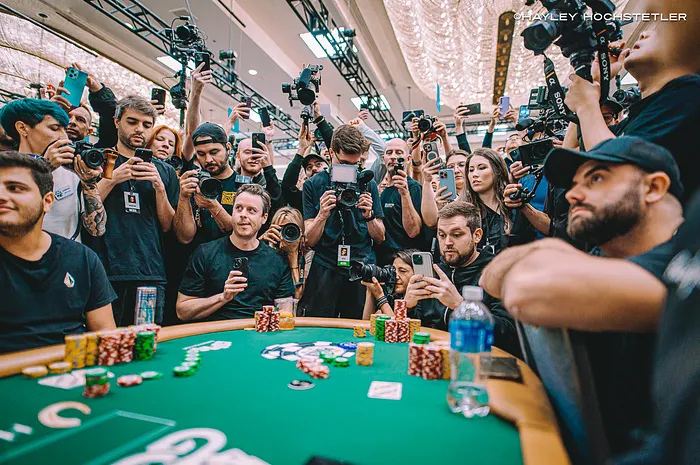
Live poker in 2026 is tougher than it looks, especially once you get past the first few levels.
Nowadays, most players show up prepared and are making fewer outright mistakes. But what separates the good from the great really are things like knowing when to apply pressure, when to slow down, and when a spot that looks fine on paper is better left alone because of what is actually happening at the table.
The leaks that cost the most rarely feel dramatic and they come from decisions that seem reasonable at the time to only show their damage later.
So, here are six common live poker mistakes that if you can avoid, will significantly improve your game.
- 1. Using Real-Time Assistance at the Table
- 2. Shot-Taking Without a Bankroll Plan
- 3. Misunderstanding ICM Until It’s Too Late
- 4. Playing Too Many Marginal Spots Early
- 5. Not Knowing the Most Important Live Tells
- 6. Leaving Money on the Table With Poor Value Betting
1. Using Real-Time Assistance at the Table
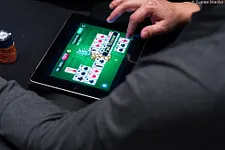
Poker study tools like GTO Wizard have completely changed how players learn the game. Used properly, they are incredibly powerful for studying ranges, frequencies, and decision-making away from the table. But there is a clear line, and crossing it can have serious implications.
Looking at charts, solvers, or strategy apps while seated in a live game is considered using real-time assistance (RTA). This is prohibited on major tours such as the World Series of Poker and the European Poker Tour.
Players are calling out others more often when they see it happening and enforcement is becoming more consistent, with bans being handed out to those caught using it.
So, never use RTA tools at the table! Do the preparation and studying at home, don't risk getting caught and penalized at the table.
2. Shot-Taking Without a Bankroll Plan
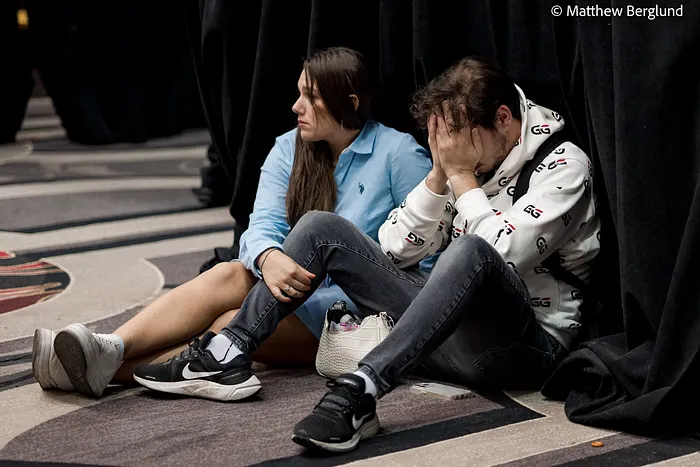
Shot-taking is not a mistake by itself. Doing it without a plan is.
With record-breaking guarantees and huge prize pools on the line at live poker festivals, it can sometimes make it easier to justify stepping up. These factors can encourage players to “take a shot” they would normally pass on but the problem in live poker is that this can be more expensive to recover from.
Bankroll management is still one of the most important things to consider when playing poker in 2026. Unlike online, you cannot simply load another table and grind it back. A single poorly planned shot can remove weeks or months of progress from your bankroll.
If you are going to take a shot, it should be when your edge is at its highest and ideally supported by satellites. If the buy-in makes you uncomfortable before you even sit down, that is usually your answer.
3. Misunderstanding ICM Until It’s Too Late
Many live players treat ICM as a final-table problem, but it usually shows up much earlier.
As fields shrink and pay jumps approach, chips stop being equal and survival starts to matter more. That changes how people play, and failing to adjust leads to expensive mistakes.
Big stacks often call too wide near bubbles, forgetting that shorter stacks are protecting real money. Medium stacks tighten up too much and pass on good reshove spots, then blind down into trouble. Short stacks sometimes flat or wait when putting the pressure on with an all-in would be better.
A good live adjustment is to reduce speculative calls, play more three-bet-or-fold, and look for spots where your aggression forces opponents to risk their tournament life.
4. Playing Too Many Marginal Spots Early
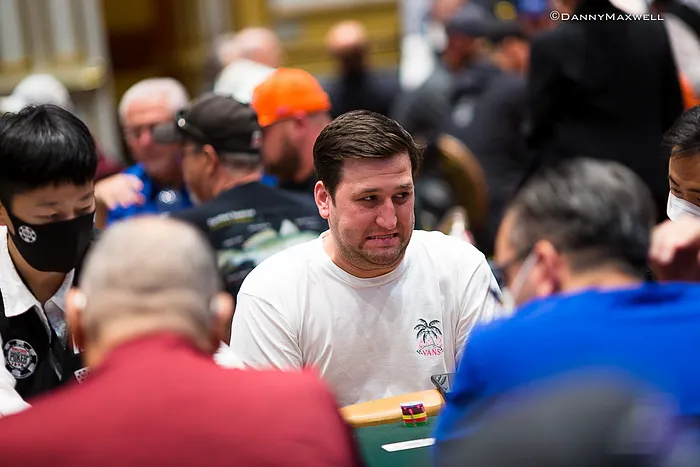
A common live leak is convincing yourself that thin spots are fine “because the field is soft.”
Live poker rewards patience. Marginal calls, loose defenses, and speculative floats early in tournaments often lead to awkward stacks later, when mistakes become far more expensive.
Passing on thin edges keeps your stack healthy for situations where opponents make clear, repeatable errors.
You do not need to win every small pot to win a tournament.
Check out this helpful article with top tips on how to improve your poker play!
5. Not Knowing the Most Important Live Tells
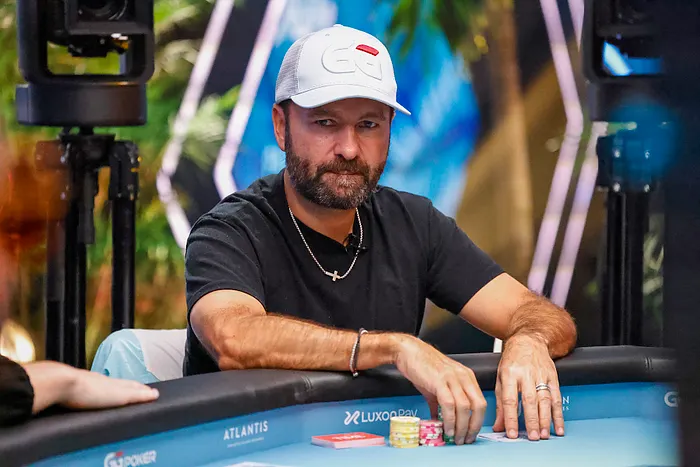
Live poker still gives you information you simply do not get online, yet many players ignore it completely and don't know the most important tells and live reads in poker.
Body language, timing, and small physical reactions can reveal a lot in close spots. A quick glance at chips after the flop, choosing bet sizes differently with strong hands, or suddenly leaning back when pressure arrives are all patterns that repeat over time, especially with less experienced players. When several small tells line up, decisions that were close often become clear.
You do not need to guess exact hands or chase “soul reads.” Using live reads as a supporting factor alongside solid fundamentals is where they add the most value.
6. Leaving Money on the Table With Poor Value Betting
Many live players focus too much on winning pots and not enough on how much they win when they do.
Value betting is where most live profit comes from, yet it is also where many players get timid. They check back hands that are good more often than not, especially on the river, out of fear of being raised.
Live opponents call far more than players expect, particularly with one-pair hands and marginal bluff-catchers. If worse hands can realistically call, betting for value is usually the right play, even if you sometimes run into better.
Discipline matters on the other side as well. Take the money when you are called, and save chips when the story changes.