button in Safari
The One Adjustment That Can Turn Any Breakeven Player Into a Crusher

Table Of Contents
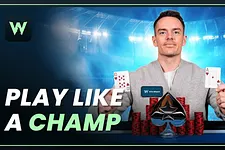
Most breakeven poker players share the same wish: to always get paid when they have strong hands, while still having their bluffs go uncalled. The problem, as poker coach Matt Hunt explains in his latest GTO Wizard training video is that you can’t have both.
In the long run, your bluffs must sometimes get called in order for your value bets to maximize their expected value (EV). Every bluff is an investment in future value. Without them, opponents will stop paying you off with second-best hands.
Shifting Your Perspective
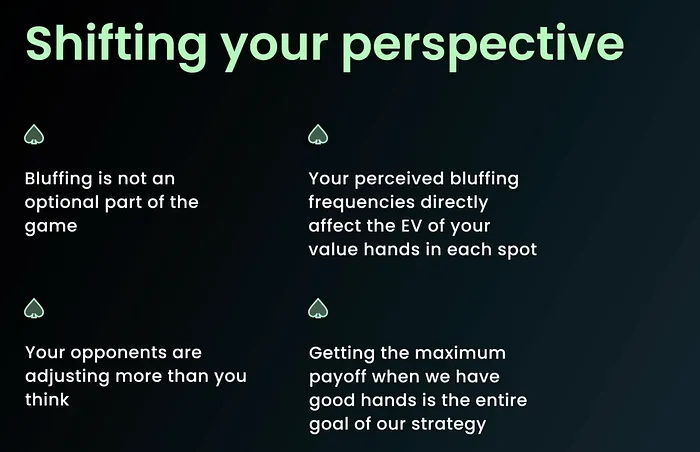
Hunt highlights that bluffing isn’t optional and that it’s an essential part of a winning strategy. Your perceived bluffing frequency directly influences how much you get paid with value hands. Opponents adjust more than most players realize, which is why finding the right balance is crucial.
Getting maximum payoff with strong hands is the ultimate goal, and that only happens if your opponents believe you are capable of bluffing.
Where Breakeven Players Go Wrong
According to Hunt, breakeven players secretly want the impossible.
“I want to be able to get paid off when I have good hands, but I also want people to fold every time I bluff.”
The truth is, poker doesn’t work that way. If your opponents never call your bluffs, they won’t pay your value bets either.
Examples in Action
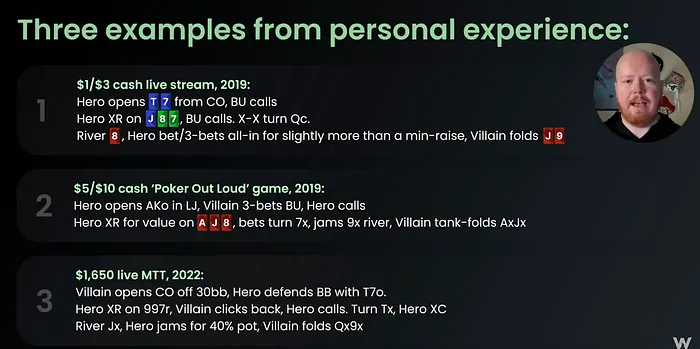
Drawing from his own play, Hunt shares hands to show how bluffing at the right time can turn marginal spots into profit.
Whether it’s a thin value bet turning into a bluff on the river or picking spots in three-bet pots, the principle remains the same. Your red line (non-showdown winnings) improves massively when you’re not afraid to pull the trigger.
Study focus:
- Where does your pool fail to find enough bluffs?
- Where are they most likely to over-fold?
- In tricky, low-frequency spots, are you actively thinking about finding bluffs?
What If They Don’t Fold?
One common concern is what to do against “sticky” opponents. Hunt explains that players have to fold somewhere. If they never fold preflop, they’ll fold more often on the flop. If they don’t fold the flop, they’ll fold later streets. And if they really never fold at all? That’s when you simply value bet them relentlessly.
If you’re not getting folds, Hunt suggests two possible leaks:
- Something is wrong with your earlier street strategy.
- Your bet sizings need adjusting, especially if opponents are over-folding on certain streets.
The key is to consciously consider whether your hand is a good bluff candidate, particularly in tough board textures or depolarized spots. Three-bet pots are often prime examples where disciplined bluffing can pay off.
To dive deeper into these concepts and see the full breakdown with hand examples, check out the complete From Breakeven To Crusher training video.