button in Safari
Flopping Top Set vs the Chip Leader on a $10,300 Final Table!



Flopping top set at a final table is usually the dream scenario, but when the chip leader has you covered and massive pay jumps loom, even monster hands become tricky to play.
The folks over at GTO Wizard analyzed a key hand from a 2025 $10,300 GGMillion$ Final Table on GGPoker, where “littlepapi” flopped top set against chip leader Danilo Velasevic.
On commentary, Fedor Holz suggested "littlepapi" should check the flop and raise the river. Solver analysis revealed a fascinating mix of agreement — and disagreement — with that assessment.
The Hand
The hand took place eight-handed at the GGMillion$ Final Table, with over $1.39 million up top and $228,511 locked up. Velasevic held a commanding chip lead with 164 big blinds, while "littlepapi" sat third in chips with 58 big blinds and multiple shorter stacks still in play.
This created a massive ICM risk premium for "littlepapi". As a middle stack facing the chip leader, losing chips carried far greater consequences than gaining them, fundamentally changing optimal strategy.
Situations like this occur frequently in high-stakes online poker tournaments, where pay jumps and chip distribution can drastically influence decision-making.
Hand is timestamped in the video
"Littlepapi" opened to 500,000 from the hijack holding J♠J♣. Velasevic defended from the big blind with K♥Q♣.
The flop came J♦3♥2♦, giving littlepapi top set. Velasevic checked, and "littlepapi" bet 500,000. Velasevic called.
The turn brought the 4♣. Both players checked.
The river was the 9♣. Velasevic bet 1,773,750 with king-high. "Littlepapi" called and won the pot.
Despite winning, solver analysis shows the hand was far more complex than it appeared.
Pre-Flop Analysis
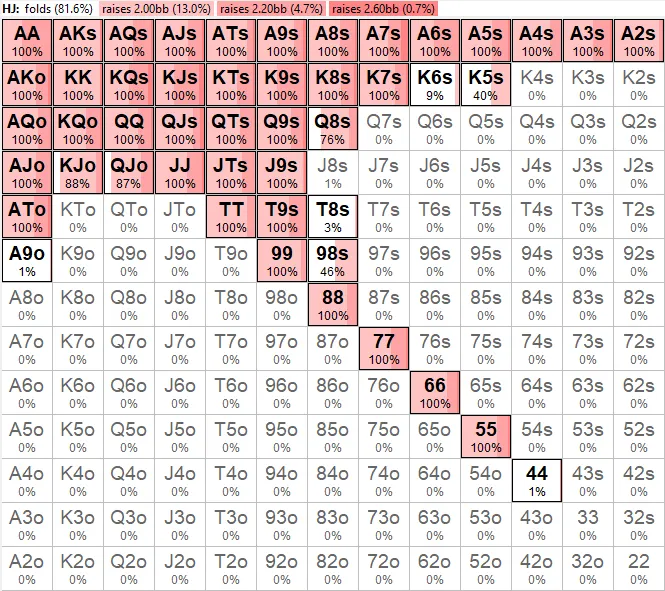
Littlepapi’s two big blind open with pocket jacks is solver-approved. During commentary, Holz suggested a larger raise size might be preferable, but solver output shows the smaller open is actually optimal across the range.
Players studying spots like this often rely on tools such as poker range charts to understand how optimal opening ranges shift across positions.
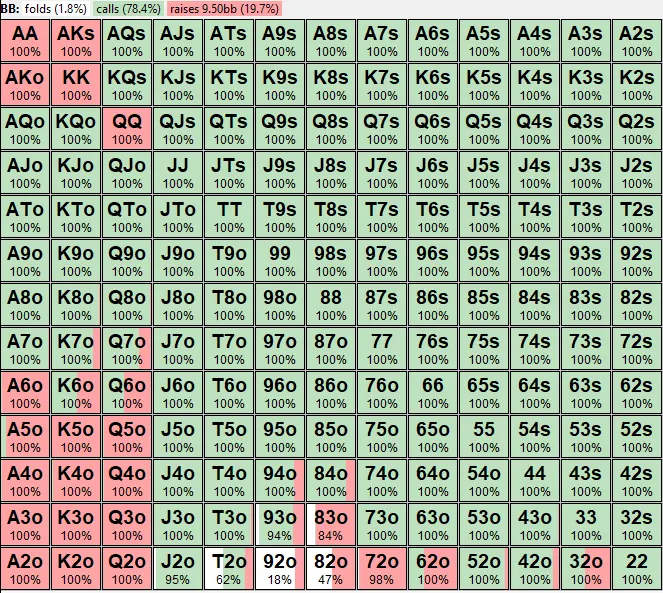
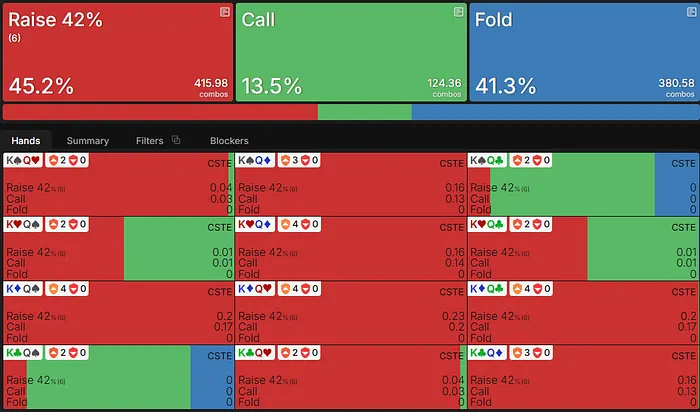
Velasevic’s defense with K♥Q♣ is also solver-approved. Against a hijack open, the big blind uses a polarized three-betting strategy consisting of premium hands and bluffs, while calling with strong but non-premium holdings like king-queen offsuit.
Both players entered the flop with theoretically sound strategies.
What is a Polarized strategy?
A strategy where you bet/raise only your very strong hands and your bluffs, while checking/calling all medium-strength hands.
The goal is to maximize value with the best hands and apply pressure with bluffs, making it difficult for opponents to exploit your range.
Flop Analysis
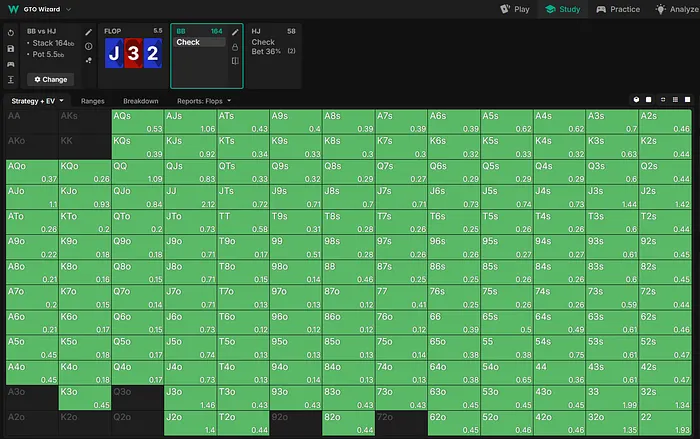
On the J♦3♥2♦ flop, Velasevic checked, which is solver-approved. The big blind should check range on this board, as the hijack retains the EV and equity advantage.
These types of solver-driven strategies are most commonly studied in games like Texas Hold’em, where positional advantage and range interaction are critical.
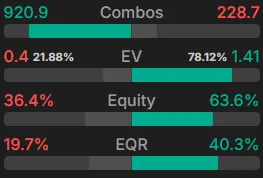
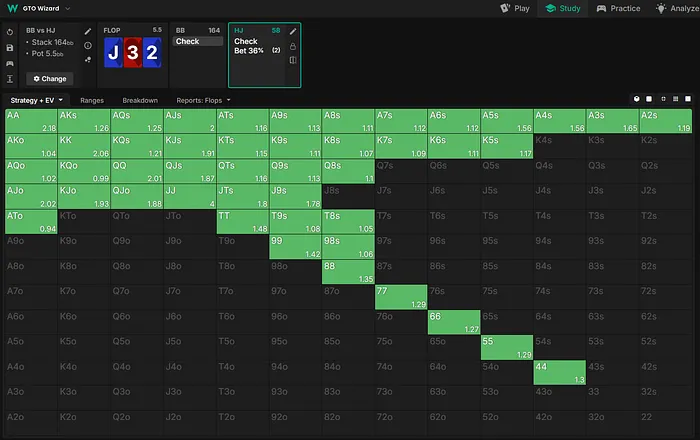
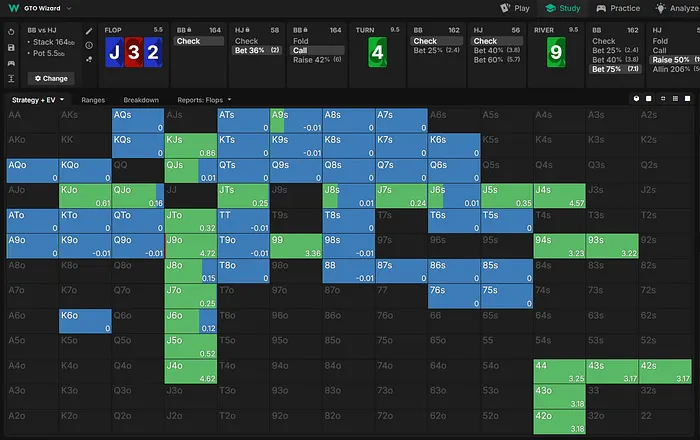
Littlepapi’s continuation bet with top set is where things become interesting. Despite holding one of the strongest possible hands, the solver recommends checking range here — including top set.
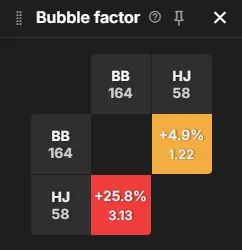
This is entirely due to ICM pressure.
Facing the chip leader with shorter stacks remaining creates a massive risk premium.
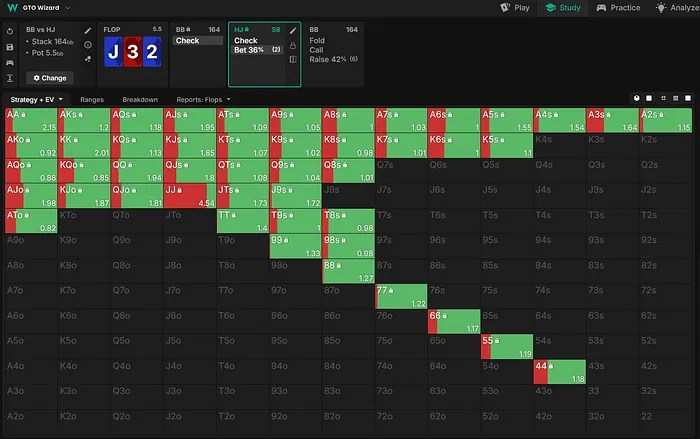
Betting inflates the pot and exposes littlepapi to check-raises that could force difficult decisions for a large portion of his stack. Because losing chips is far more costly than gaining them, the solver prefers controlling the pot and checking range.
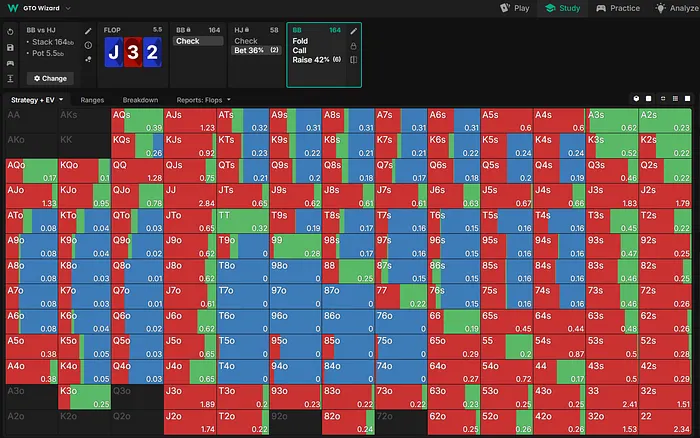
Velasevic’s call with king-high is solver-approved. As chip leader, he can aggressively continue with a wide range, putting pressure on the middle stack.
Turn Analysis
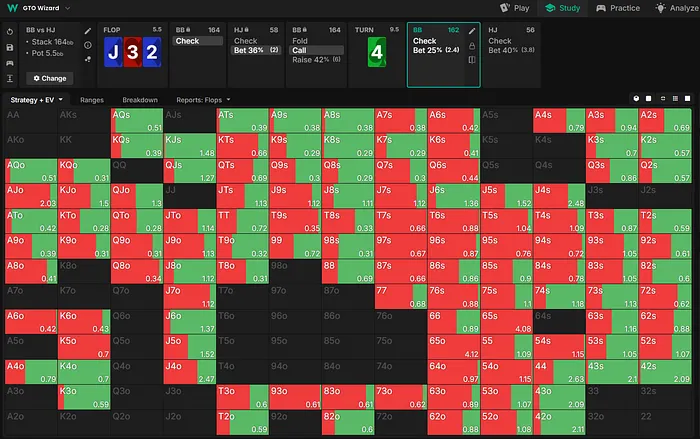
The 4♣ turn changes the range dynamics. Solver output now allows the big blind to donk bet frequently, as the equity distribution shifts slightly in his favour and his chip advantage amplifies his leverage.
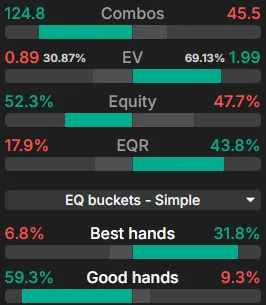
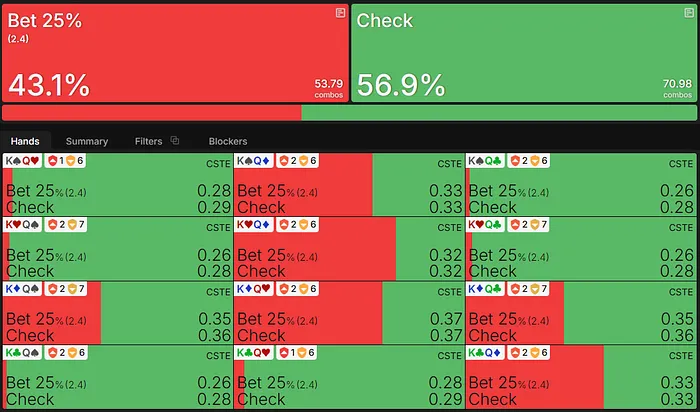
Velasevic checked with K♥Q♣, which is solver-approved. This specific combo lacks sufficient equity to bet profitably.
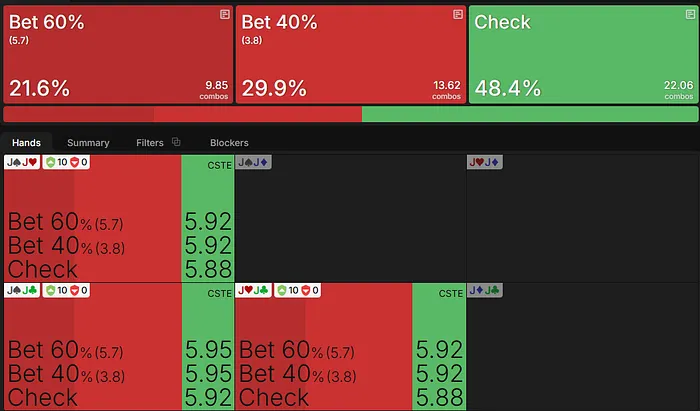
Littlepapi’s check-back with top set is also solver-approved. While pocket jacks bet frequently for value, mixing in checks helps protect the checking range and prevents the chip leader from exploiting weakness on the river.
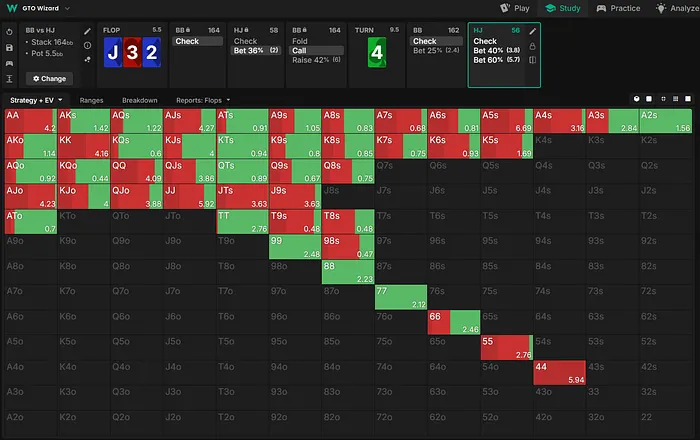
Checking also keeps the pot manageable under ICM pressure.
River Analysis
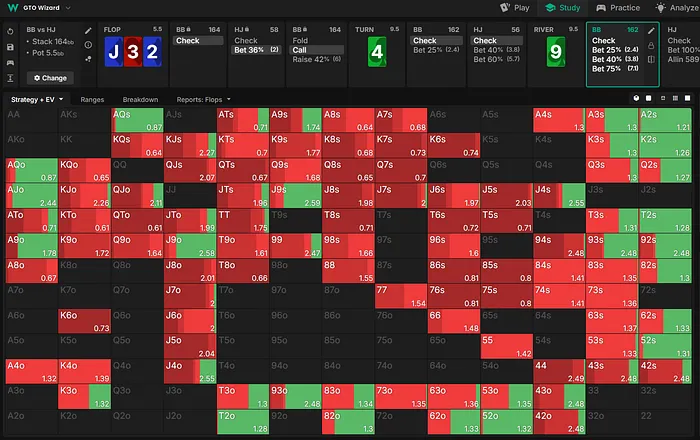
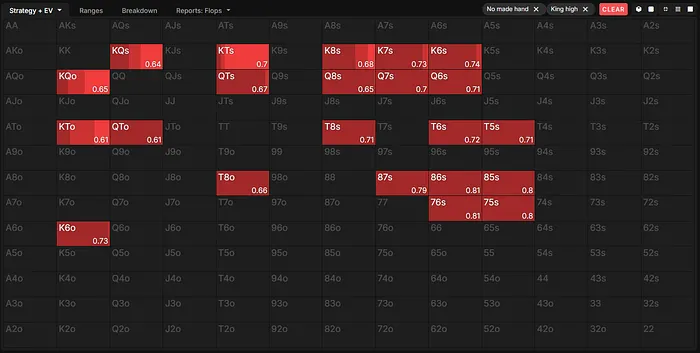
The river 9♣ is a brick. Velasevic bet 1,773,750 with king-high, and solver analysis confirms this is correct.
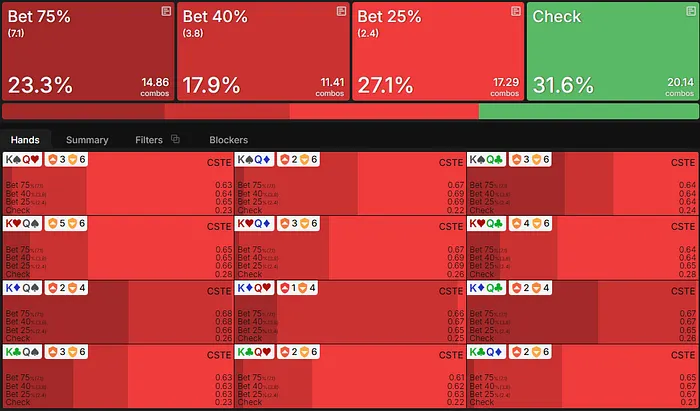
With a massive chip lead and facing a middle stack under heavy risk premium, the big blind should bluff aggressively. Solver outputs show that king-high and other no-made-hand combinations bluff at extremely high frequency in this spot.
Littlepapi’s call with top set is profitable but not optimal. Solver analysis shows raising produces higher EV than calling. Both half-pot raises and all-in raises generate more value, as Velasevic still has enough strong hands that must defend to avoid being exploited.
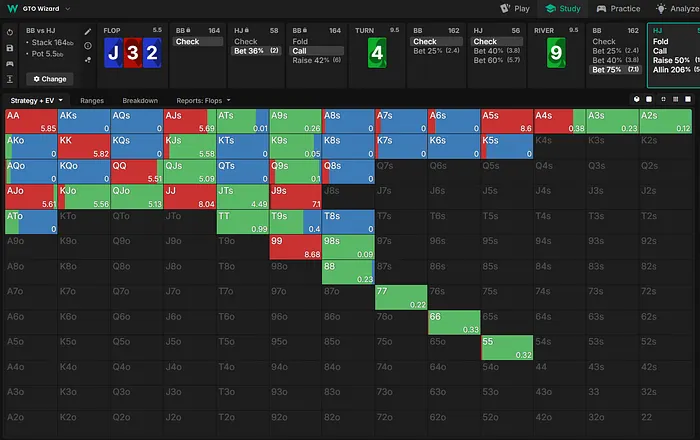
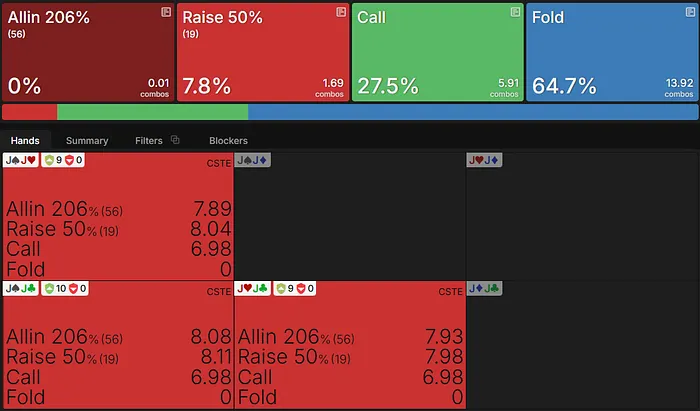
However, the EV difference between calling and raising is relatively small. At final tables, exploitative adjustments matter. If littlepapi believed Velasevic would fold too often to a raise, calling becomes a reasonable practical decision.
Final Verdict
This hand highlights the powerful impact of ICM on optimal strategy. Despite flopping top set, "littlepapi" was incentivized to play cautiously due to Velasevic’s overwhelming chip lead and the presence of shorter stacks.
The solver actually agrees with Holz’s suggestion that checking the flop would have been optimal, and raising the river would have extracted maximum value.
Still, both players demonstrated a strong understanding of final table dynamics. Velasevic correctly applied pressure as chip leader, while "littlepapi" avoided unnecessary risk and secured the pot.
For players looking to study final table ICM spots like this, tools such as GTO Wizard and other advanced poker tools provide invaluable insight into how optimal strategy shifts when survival becomes just as important as chip accumulation.