button in Safari
Can You Fold Kings Here? Triton Hand Analysis Shows How Tough Poker Can Be


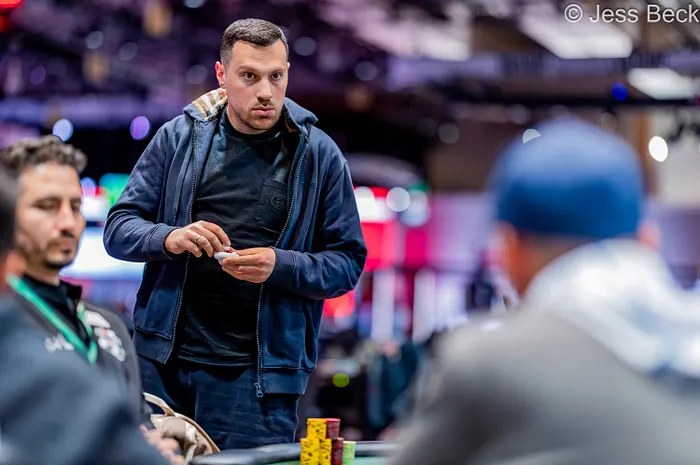
Playing pocket kings, cowboys or whatever you call KK is supposed to be easy...in theory.
You raise or three-bet before the flop, get called, and more often than not you're happy to keep putting chips into the pot.
But poker gets a lot tougher when you're playing against one of the best players in the world.
That's exactly what happened during the $8,000 Triton ONE Jeju Main Event when Zhun Wang found himself in a huge pot against Artur Martirosian. By the end of the hand, Wang was calling off most of his stack with pocket kings on an ace-high board, only to see Martirosian river a flush and drag in a monster pot.
A closer look using the poker tool GTO Wizard's solver tells a much more interesting story. According to PokerNews contributor Lukas Robinson, the biggest mistake in the hand may not have come on the river at all. It may have come much earlier.
The Hand
With 184 players remaining from a field of 202, Masayuki Murata opened under the gun with A♦10♦ to 5,000 (2bb). Chuyuan Peng called with J♦9♦ before Martirosian came along in the cutoff with 8♠7♠
In the small blind, Wang squeezed to 31,500 (12.6bb) with K♥K♦. Murata and Peng folded, but Martirosian called.
The flop came A♠10♥9♠. Wang continued for 13,000 into a pot of 78,000 and Martirosian responded with a raise to 60,000. Wang called.
The turn brought the 7♣. Wang checked, Martirosian jammed for 168,500, and after a lengthy tank Wang called.
Martirosian tabled 8♠7♠ for a pair with a straight and flush draw. Wang's kings were still ahead, but the 2♠ river completed the flush and left Wang with just 15,000 chips.
The First Mistake Happened Before the Flop
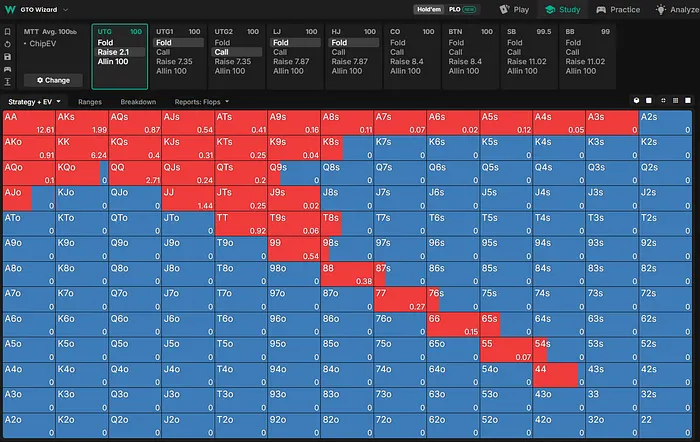
The analysis starts long before the money went in.
Murata's open with A♦10♦ is standard according to the solver. So is Wang's squeeze with pocket kings. Martirosian's call with 8♠7♠ also receives the solver's approval.
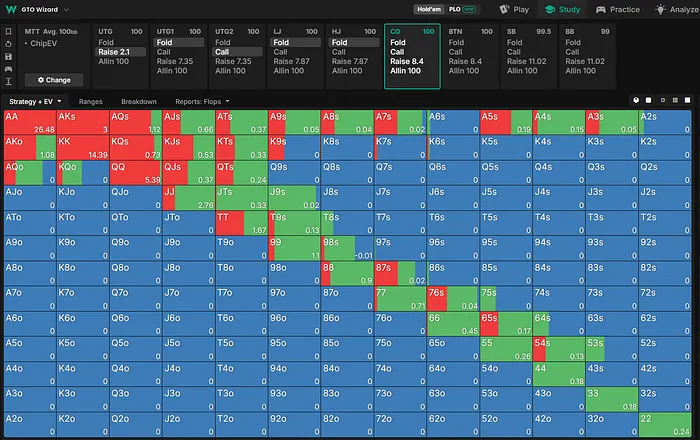
The first real issue comes from Peng's call with J♦9♦.
According to the GTO Wizard solution, jack-nine suited should simply fold facing an under-the-gun open at 100 big blinds. By entering the pot, Peng creates a situation that theoretically shouldn't exist.
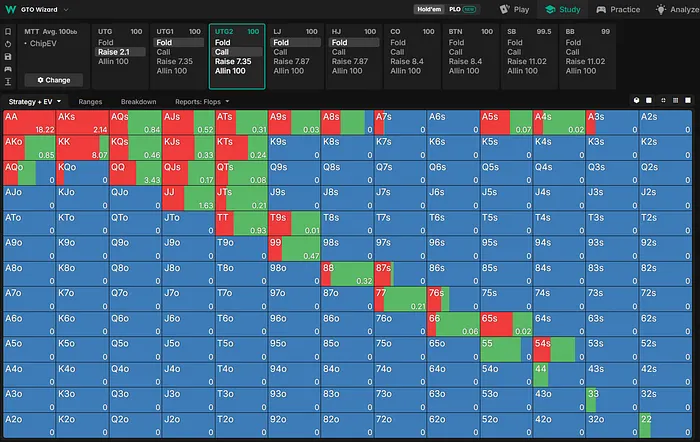
That mistake doesn't impact the final result, but it highlights an important lesson for newer players.
Many difficult post-flop situations can often be traced back to pre-flop decisions.
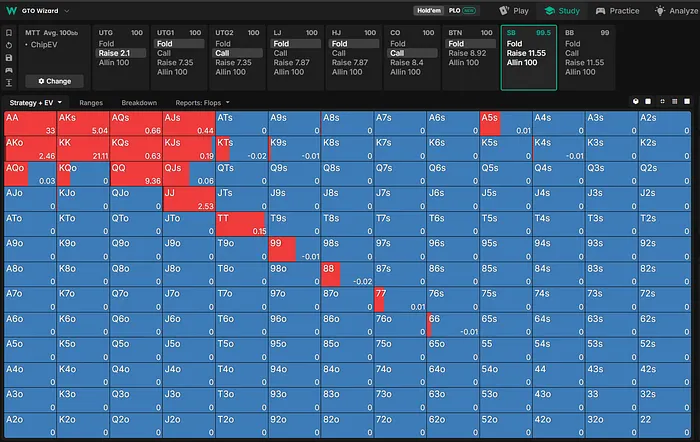
Wang's three-bet to 31,500 also had the seal of approval from GTO Wizard, although it prefers a slightly small sizing to 11.55bb compared to 12.6bb. Murata and Peng's folds to the three-bet were also approved. The solver shows that they are clear folds.
Why Martirosian Called With Eight-Seven Suited
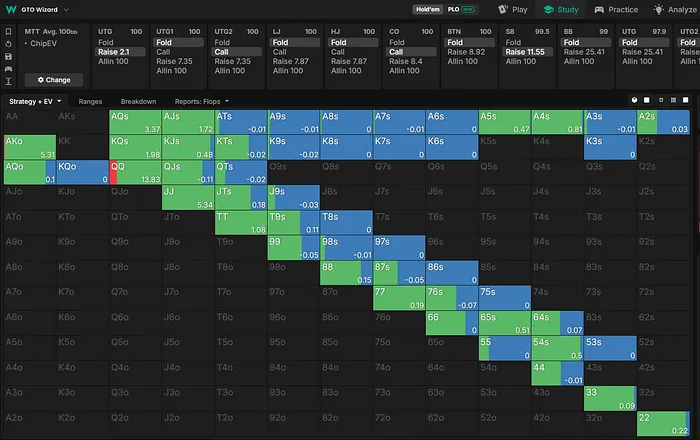
One of the more surprising findings from the solver is that Martirosian's pre-flop call is completely reasonable.
Many recreational players look at 8♠7♠ and see a speculative hand that should be folded against a squeeze but the solver sees something different.
Hands like 8♠7♠ and 7♠6♠ provide what poker players call "board coverage." They allow the caller to connect with lower and more coordinated boards that the aggressor doesn't hit very often.
Because of that, suited connectors remain in the calling range while stronger-looking hands such as 9♠8♠ are actually folded more frequently in this spot because they lose to hands like AxKx on QxJx10x boards.
Why Wang's Flop Bet Was Correct
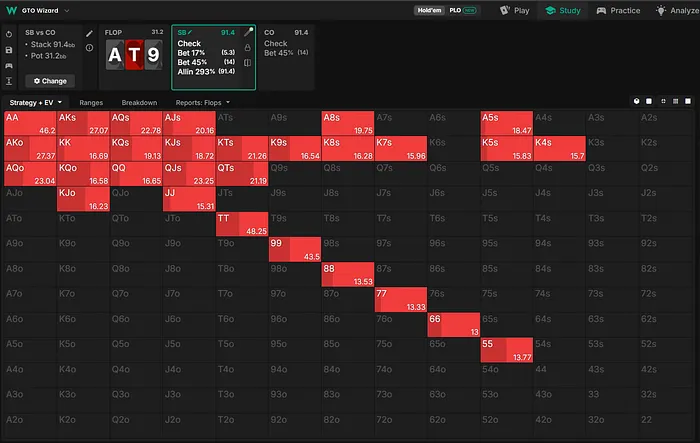
When the flop came A♠10♥9♠, Wang found himself in an awkward situation as his pocket kings are no longer an overpair.
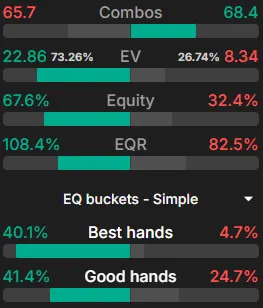
Even so, the solver likes his continuation bet. The small blind enjoys both a range advantage and an equity advantage on this board, allowing Wang to bet his entire range at a high frequency. The 13,000-chip (5.2bb) sizing used in game closely matches the preferred solver strategy.
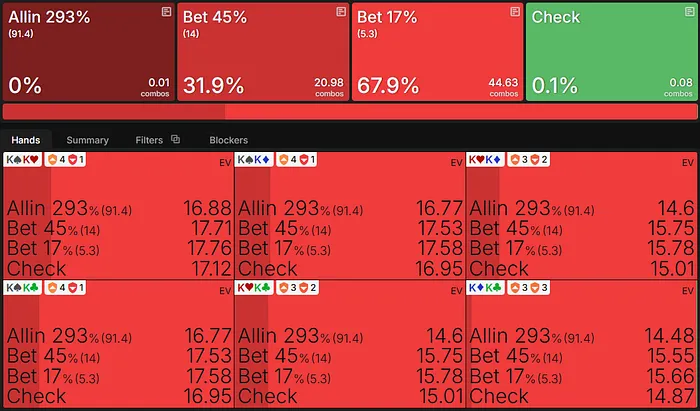
However, the trouble begins after Martirosian raises.
The Solver Wants Kings to Fold
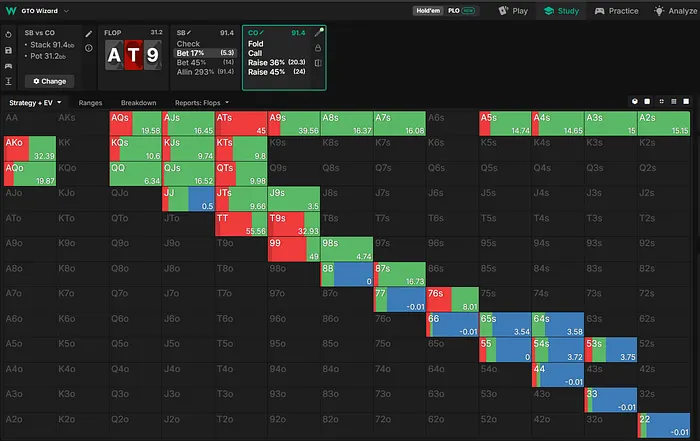
This is where the hand becomes fascinating.
Martirosian's raise with 8♠7♠ is aggressive, but not unreasonable. The solver does include raises with the hand at some frequency, although calling is generally preferred.
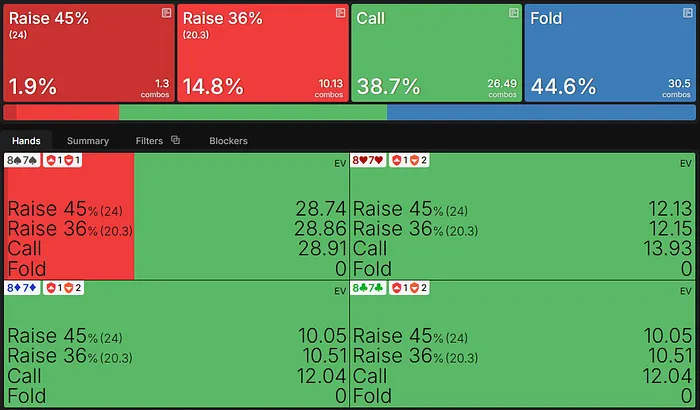
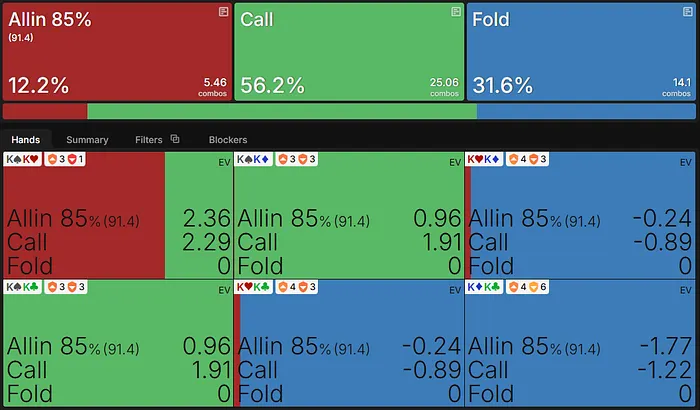
However, against the solver's raising range, K♥K♦ is not a profitable call. In fact, some king-king combinations are pure folds.
The exact combination Wang held loses 0.89 big blinds in expected value by continuing. The solver would rather let it go and wait for a better spot.
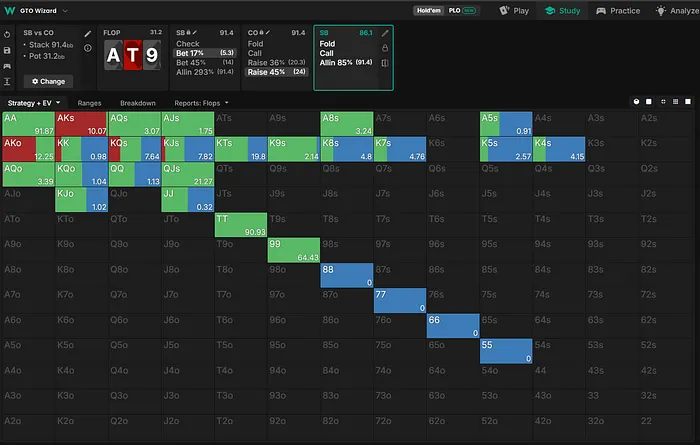
One of the biggest lessons modern solvers have taught poker players is that the strength of a hand is relative. On an ace-high board facing aggression from a strong range, pocket kings simply aren't as valuable as they appear.
What About The Turn Jam?
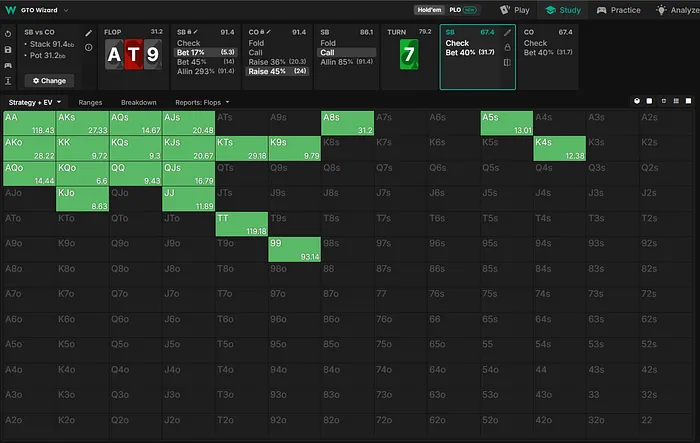
After Wang called the flop raise, the turn brought the 7♣. The solver likes Wang's check. Martirosian's shove, however, is another story.
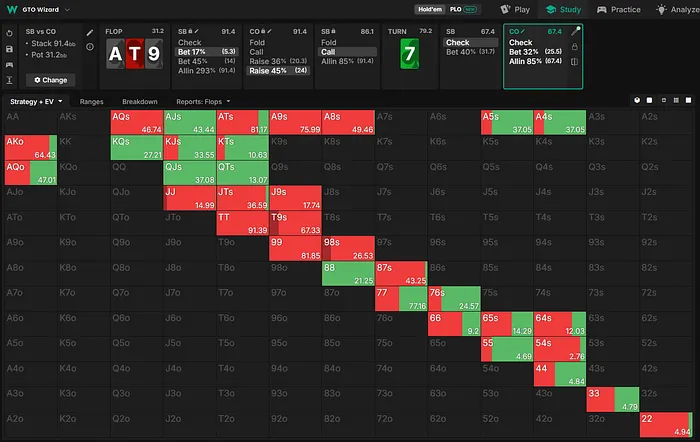
Accoridng to GTO Wizard, the solver never wants to jam 8♠7♠ on the turn against the optimal range. Instead, it preferred using a smaller geometric sizing designed to build the pot while preserving more strategic flexibility.
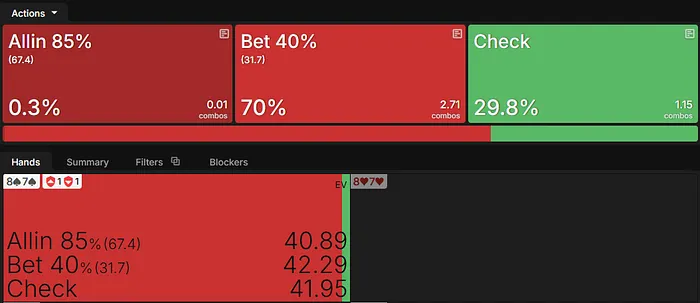
Even with adjusted ranges to better reflect how the hand was actually played, the solver still preferred smaller bets over an all-in shove.
So Was Wang's Call Actually Wrong?
Not exactly. Against a perfectly balanced GTO strategy, Wang's kings should generally be folded much earlier in the hand.
But poker isn't played against solvers. Once ranges are adjusted to better mirror real-world play, Wang's decision became much closer. While K♥K♦ remained slightly negative EV, the solver still mixed some calls into its strategy.
The reason is something known as Minimum Defence Frequency, or MDF.
Put simply, if Wang folds too many hands, Martirosian can bluff profitably with impunity. To prevent that from happening, some king-king combinations need to continue, even when they're not thrilled about it.
The Takeaway
For recreational players, the biggest lesson isn't that pocket kings should be folded every time an ace appears. It's that strong hands become much weaker when ranges collide.
Against elite opposition, every decision is made in the context of ranges, board textures, blockers and future streets. Martirosian ultimately got there on the river, but the real story of this hand happened much earlier.
According to the solver, Wang's toughest decision wasn't on the turn. It was deciding whether pocket kings were strong enough to continue on the flop in the first place.